
In 2022, Harris County recorded 1,037 overdose deaths, an age-adjusted rate of 21.2 per 100,000 people. The medical examiner found fentanyl in the majority of those deaths, most tied to counterfeit pills and polysubstance combinations. Fort Bend and Montgomery counties added another 206 deaths that same year. If you are reading this from The Woodlands, Sugar Land, Katy, or anywhere else inside the 610 Loop and beyond, those numbers are not abstract. They are your neighbors, your coworkers, your family.
There are 312 SAMHSA-licensed substance use programs within 25 miles of central Houston. Many of them do good work. But for people who have cycled through detox, medication-assisted treatment, and residential programs without lasting results, those options feel exhausted. Ibogaine works through a different mechanism, and for some people it interrupts opioid dependence in a way nothing else has. The catch: ibogaine is a Schedule I controlled substance under US federal law, and no Texas resident can receive it inside the United States. Texas has now committed $100 million to ibogaine clinical trials, and on April 18, 2026, President Trump signed an executive order putting ibogaine at the front of the federal response to the opioid crisis. That research is years from producing an FDA-approved treatment.
This page exists to explain what Nekawa offers, who it is appropriate for, and how Houston-area families can access physician-prescribed, hospital-administered ibogaine treatment in Paraty, Brazil. Here is what we cover:
- The medical protocol — physician-prescribed, hospital-administered, with full cardiac telemetry.
- The regulatory framework that makes Brazil different from an unregulated retreat.
- The logistics of getting there from George Bush Intercontinental.
- What coming home to Houston looks like.
If you are in crisis or close to it, the fastest next step is a discovery call.
Why Houston families are looking outside the US for ibogaine
Harris County declared a fentanyl public health crisis in 2023. The driver is not heroin or prescription opioids in isolation. It is fentanyl-contaminated counterfeit pills, and combinations of fentanyl with cocaine or methamphetamine. Those combinations are harder to treat with standard protocols because the dependency is layered and the overdose risk is immediate.
Texas also has no Good Samaritan overdose immunity law as broad as most other states. That gap discourages 911 calls during active overdoses, which means more deaths that might have been prevented. Families in Houston are operating in a uniquely high-stakes environment, and EMS crews working out of stations along the Gulf Freeway see the consequences nightly.
Because ibogaine remains Schedule I under US federal law, no clinic in Texas, or anywhere in the United States, can administer it. The Texas Ibogaine Initiative created by SB 2308 funds research, not treatment. We track the current status of ibogaine in the US and abroad on a separate page. Right now, the regulated medical pathway for a Houston resident runs through Brazil.
Local overdose context
What ibogaine actually does, in plain terms
If your loved one is physically dependent on opioids, their brain has reorganized itself around the presence of the drug. Stopping causes withdrawal, and the craving that follows can persist for months or years. That is not a failure of willpower. It is a physiological state.
Ibogaine works on multiple receptor systems simultaneously. It appears to reset opioid receptor sensitivity and quiet the craving signal in a way standard detox medications do not. Many people who complete a full session report that acute withdrawal is dramatically reduced or absent, and that the obsessive pull toward the drug eases for a window afterward. The full mechanism is covered in our ibogaine overview, and the program structure for opioid dependence sits on our opioid program page.
That window is not a cure on its own. It is an opening. What a person does with that opening, the therapy, the structure, the support back home, determines what comes next. Nekawa treats the medical event of ibogaine as the beginning of a longer process, not the end of one.
The Nekawa medical protocol: what makes it different
Ibogaine affects cardiac conduction, specifically the QT interval, and that risk is manageable only with proper screening and monitoring. Before you arrive, our medical team reviews your full history, including cardiac workup, current medications, and substance use pattern. On arrival you receive an EKG and a physician evaluation. Magnesium loading is part of the pre-treatment protocol because it stabilizes cardiac rhythm. Throughout the session you are on continuous cardiac telemetry with a physician and nursing staff present. The full medical safety protocol is documented separately.
The acute experience typically lasts 18 to 36 hours. Afterward, you remain under 24-hour observation before any transition to integration. Compare that to a standard Houston detox along the Katy Freeway, where medical supervision often ends at discharge and follow-up is an outpatient appointment days later. The clinical infrastructure here is on-site, not on call.
Why Brazil, and why it matters that this is not Mexico or Costa Rica
Brazil is the world's leading country for physician-prescribed, hospital-administered ibogaine. Treatment is regulated by ANVISA, Brazil's federal health agency, which functions as the equivalent of the FDA. Physicians must be licensed. Protocols must meet clinical standards. That regulatory framework is what separates Nekawa from an unregulated retreat.
Mexico and Costa Rica are popular destinations for ibogaine because they are close to the US and relatively inexpensive. Some providers there do serious work. But neither country has any government regulation of ibogaine. There is no licensing framework, no medical agency overseeing protocols, nothing comparable to ANVISA. The phrase "medical retreat" can mean anything from a full clinical operation to a ceremony with an on-call nurse, and families deserve to know the difference before they make a decision.
At Nekawa, ibogaine is prescribed by a licensed physician. The session takes place with cardiac monitoring and emergency infrastructure on-site. That is not a marketing claim. It is the standard ANVISA oversight requires and we hold ourselves to.
Getting from Houston to Paraty
United Airlines runs nonstop overnight service from George Bush Intercontinental (IAH) to São Paulo–Guarulhos (GRU), about a 10-hour block, with seasonal nonstop to Rio de Janeiro–Galeão (GIG). From either airport, Nekawa arranges private ground transport for the four-hour drive south along the BR-101 coastal highway through the Atlantic rainforest. You meet your driver at arrivals; you do not navigate Brazilian transit on no sleep.
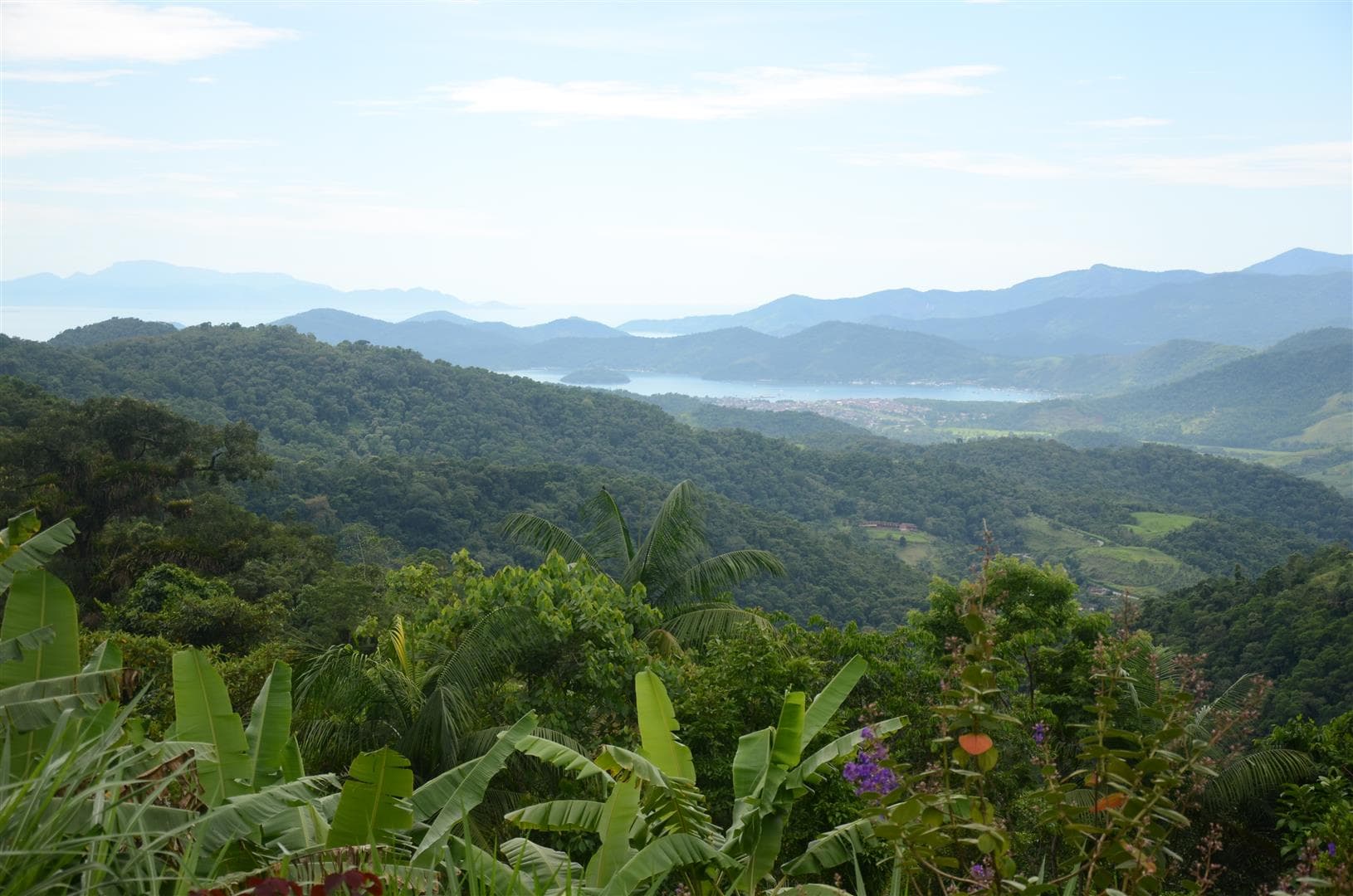
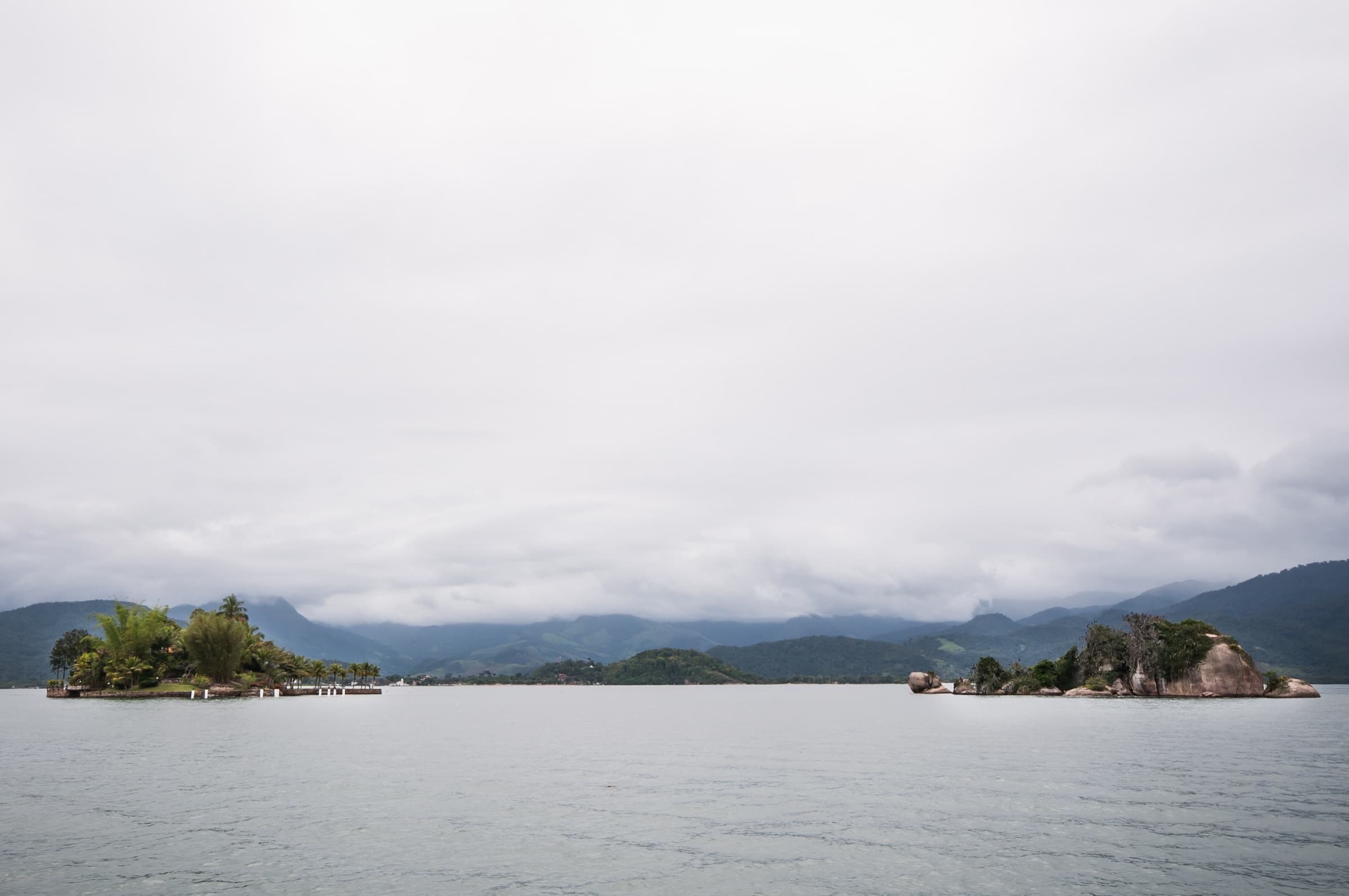
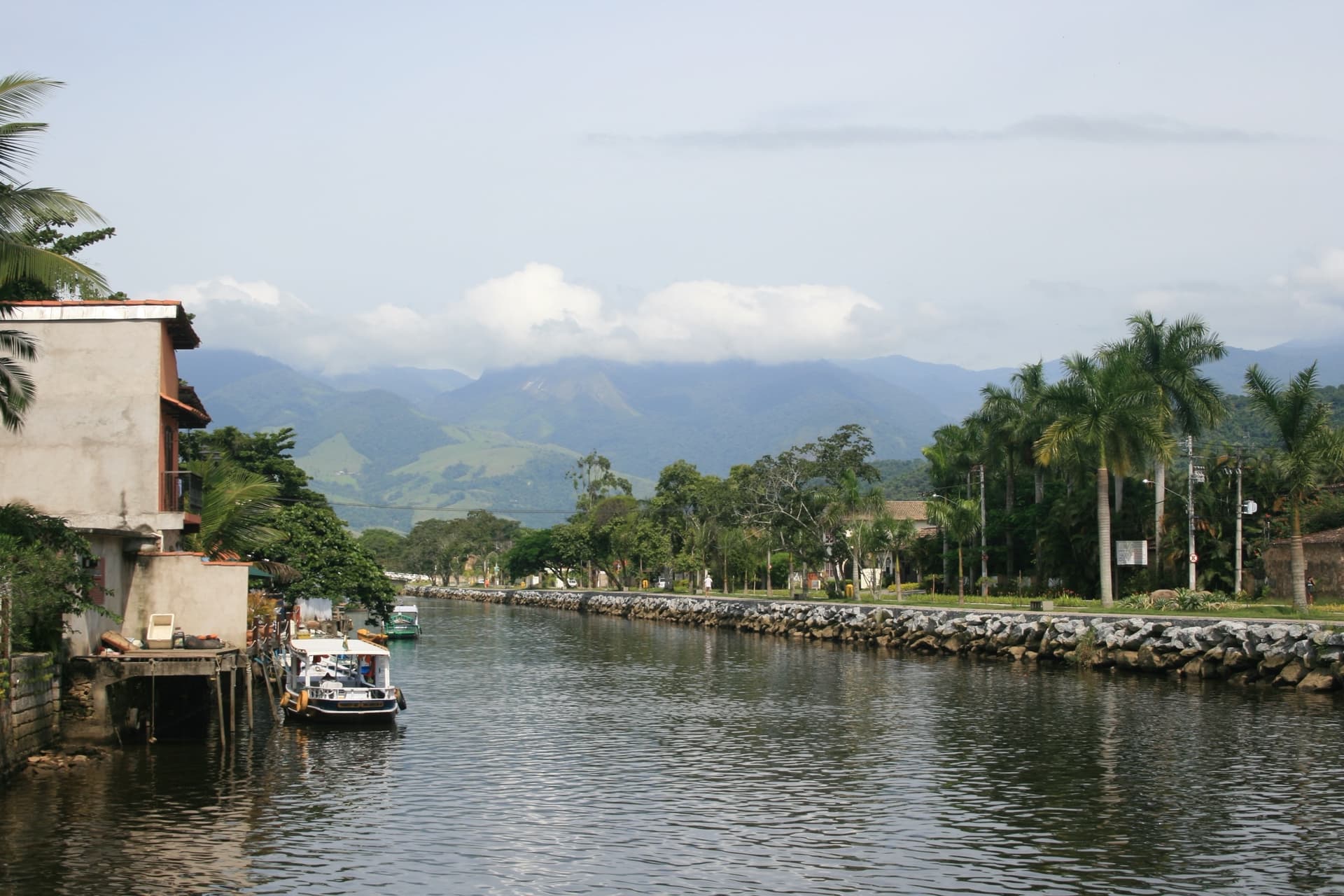
Nekawa sits outside the colonial port town of Paraty, in old-growth jungle with waterfalls and natural swimming pools on the property and a bay scattered with more than 300 forested islands. You can tour the property before you decide. For US travelers, paperwork is straightforward: a US passport with at least six months of remaining validity, plus a Brazilian eVisa applied for online (3 to 7 business days). We walk you through the application as part of intake.

Texas and federal momentum: where ibogaine policy is headed
In June 2025, Texas Governor Greg Abbott signed SB 2308, creating a $50 million public-private fund to support FDA clinical trials of ibogaine for opioid use disorder, traumatic brain injury, and PTSD. In March 2026, the legislature approved an additional $50 million, bringing the Texas Ibogaine Initiative to $100 million in committed funding. Led in part by former Governor Rick Perry, it is the largest state investment in psychedelic medicine research in US history.
On April 18, 2026, President Trump signed an executive order pulling the federal government into the same effort, naming ibogaine a priority therapeutic for opioid use disorder, traumatic brain injury, and treatment-resistant PTSD. Federal involvement on top of the Texas $100 million is a meaningful change in posture. It signals that ibogaine is being treated as a serious medical intervention at the highest levels.
All of it remains research and trial infrastructure, not treatment. No Houston resident can legally receive ibogaine inside the United States today, and FDA-approved care is years away. The momentum is real, the pathway home for someone in active addiction this month still runs through Brazil.
Integration and aftercare: what makes Nekawa different
Most ibogaine clinics send you home three to five days after dosing. The medical event is over, the integration window is wide open, and you are on a plane back to your old environment with no scaffolding. That is when relapse risk peaks.
Nekawa runs a 28-day program. After the ibogaine session, you stay with us for two full weeks of integration, working with our clinical team to translate the neurological reset into real changes in how you respond to stress, cravings, and the triggers you will meet again at home. Two weeks of structured integration, not three to five days of vitals checks.
If you need more time before going back to Houston, we have it. Clients can extend their stay at Nekawa at a reduced rate, or move on to partner properties in other parts of Brazil for weeks or months at little to no additional cost. The point is not to keep you away from your life. It is to give you a runway long enough that the return is not a cliff.
Before you leave Paraty, our team works with you on a Houston-specific aftercare plan: an outpatient program, a therapist with addiction experience, or a structured peer network. The Texas Medical Center anchors a significant concentration of addiction medicine specialists just south of downtown. Houston is where the triggers are, the people, the places, the routines that were woven into the addiction. Ongoing communication with our medical team after you return is part of the relationship, not an upsell.
How to start: what a discovery call covers
A discovery call with Nekawa is a clinical intake conversation, not a sales call. We ask about the substance or substances involved, history of prior treatment, current medications, and any known cardiac or medical history. That information tells us whether ibogaine is likely to be appropriate and safe for your specific situation.
If there are contraindications, we say so directly. We do not book people who are not medically appropriate candidates. If ibogaine looks like a reasonable option, we walk through the full protocol, the screening process, what the stay in Paraty involves, and what the aftercare framework looks like. Families calling from The Heights, Montrose, Memorial, Midtown, Sugar Land, Katy, Pearland, or The Woodlands are all welcome. The call is confidential. There is no obligation to proceed.
Where the jungle meets the sea
Nekawa sits in the Atlantic rainforest just outside the colonial port town of Paraty. Old-growth jungle, waterfalls, natural swimming pools, and a bay scattered with more than 300 forested islands. After Houston, this is a different world.

Frequently asked questions
Harris County recorded 1,037 overdose deaths in 2022, and the trend line from 2020 onward shows no sign of reversing on its own. If you are a Houston-area family member, or a person in active addiction who has already worked through local options, a discovery call with Nekawa is a direct next step. The call covers your specific medical situation, whether ibogaine is appropriate, what the stay in Paraty involves, and what aftercare back in Houston looks like. There is no obligation after the call, and the conversation is confidential.
A medical program in a setting that matters
The hospital protocol is the foundation. The setting is the second medicine. See the property, the rooms, the team, and the route in.
Conectemos.
Sin presión — cuéntenos un poco sobre lo que está atravesando.