Ibogaine is a single-session medical intervention for opioid dependence, substance abuse, prescription medications, behavioral addictions, and trauma, prescribed and administered by independent licensed Brazilian physicians in a hospital setting. For New York City residents, the regulated pathway runs through Brazil, and Nekawa is the wellness academy that supports US students through it.
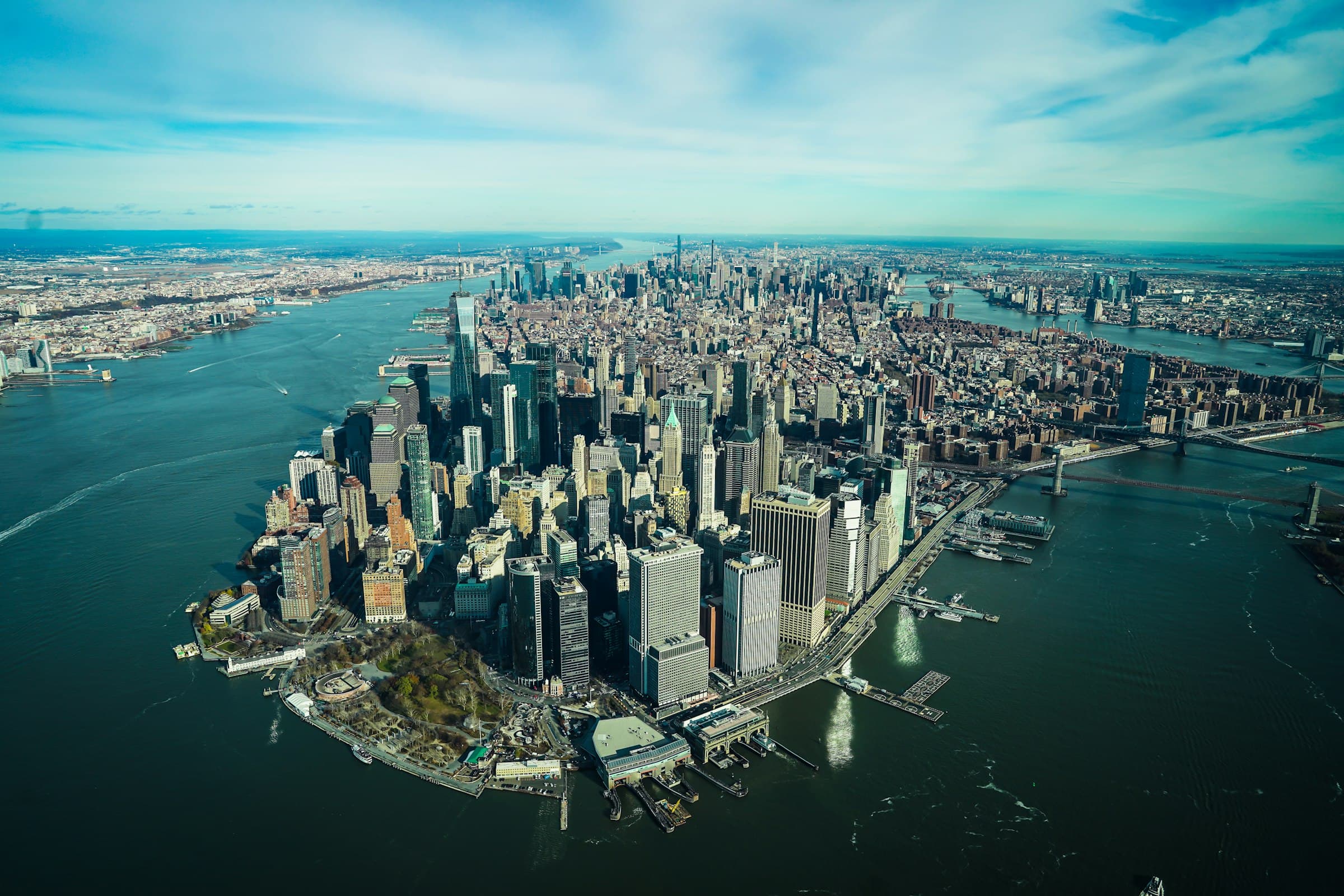
New York City recorded 2,192 unintentional drug overdose deaths in 2024, a 28% decline from 3,056 in 2023, the first meaningful drop after nearly a decade of climbing numbers. Fentanyl was involved in 73% of those deaths. The Bronx continues to carry the highest absolute rate of any borough, more than double Manhattan's, and Black and Latino New Yorkers die at roughly twice the rate of white residents despite seeing comparable percentage reductions. The scale of the crisis, even in a year of improvement, tells you something about the limits of what the existing system can do.
There are 350+ SAMHSA-licensed substance use programs within 25 miles of central New York City. For many families, that number is both reassuring and hollow. Conventional treatment (methadone, buprenorphine, residential rehab) works for some people. For those with chronic, treatment-resistant dependence, or for whom every prior attempt has ended in relapse, the standard menu of options hasn't been enough. That's the population that finds this page.
This page covers:
- What ibogaine is and how the medical session actually works
- Why the physician-prescribed pathway runs through Brazil rather than the United States
- How Nekawa's program is structured around the work the prescribing physicians do
- What the trip from New York City to Paraty involves, from flight to integration
Nekawa is a wellness education academy. It is not a clinic, and it does not prescribe or administer ibogaine. The work the medical team does happens in a hospital under independent licensed Brazilian physicians; Nekawa builds the preparation, environment, and integration around it.
Why New York City residents are looking outside the US for ibogaine
The 2024 overdose numbers carry a complicated message. Mayor Adams's office announced a 28% single-year drop, the result of scaled-up harm reduction, expanded treatment access, and naloxone saturation citywide. That progress is real. But 2,192 deaths in a single year, with xylazine present in 21% of them, is not a solved problem. It is a system working hard against a supply that keeps shifting.
For chronic, treatment-resistant opioid dependence (the kind where someone has been through multiple rounds of medication-assisted treatment, residential programs, and outpatient care) conventional pathways in New York have a ceiling. The 350+ SAMHSA-licensed programs within 25 miles of the city are largely structured around maintenance and harm reduction, rather than the kind of neurological reset that families in this situation are searching for.
Fentanyl-contaminated counterfeit pills and polysubstance combinations (fentanyl with cocaine, fentanyl with xylazine) have made the pharmacology of addiction in New York harder to treat with tools designed for a different era. That's part of why families from the Upper East Side, Williamsburg, Harlem, and the Bronx are reaching out to Nekawa. Many have already cycled through the academic medical centers along the East River and the outpatient programs in their own neighborhoods. They're not rejecting the local system. They've already been through it.
What ibogaine actually does
Ibogaine is not a substitute drug and it is not a sedative. It is a psychoactive compound derived from the root bark of the Tabernanthe iboga plant, and its mechanism of action is unlike anything in the existing addiction pharmacopeia. It works simultaneously on opioid receptors, NMDA receptors, serotonin and dopamine systems, and sigma-1 receptors, a combination that, in a single session, can interrupt physical dependence and reset the neurological patterns that drive compulsive use.
For families watching someone they love cycle through relapse, what matters most is this: ibogaine has shown the ability to dramatically reduce or eliminate acute opioid withdrawal symptoms and to quiet the craving signals that make early recovery so fragile. It is not a cure. It is a reset, and what happens in the weeks after the session determines how durable that reset becomes.
The period immediately following the session is called the Window of Wonder, roughly 2 to 12 weeks of elevated neuroplasticity during which the brain is unusually receptive to new patterns. This is the window Nekawa's integration program is built to fill. The 15 days of structured on-site integration, followed by 45 days of at-home coursework, are designed specifically around this window. For a deeper look at the peer-reviewed evidence, see our ibogaine research page. If you want to understand the science of ibogaine more completely, visit our ibogaine science page.
The medical protocol: what hospital administration actually means
Ibogaine carries real cardiac risk if administered without proper screening. It can prolong the QT interval, a measure of cardiac electrical timing, which in a small percentage of patients can trigger a dangerous arrhythmia. This is why ibogaine is not something that can be safely given in a retreat setting without hospital infrastructure, and it is why the medical team Nekawa partners with conducts a thorough workup before any patient is cleared for the session.
Before the prescribing physicians clear a patient for ibogaine, the workup includes:
- EKG
- QT-interval check
- Comprehensive blood panel
- Liver function test
- Magnesium loading
The session itself is administered in a hospital setting with an on-site physician present throughout. The hospital's ICU-trained nursing team monitors continuous cardiac telemetry for a minimum of 24 hours post-dose. The intense visionary phase lasts 6 to 12 hours, followed by roughly 12 hours of quieter mental processing, then 24 to 48 hours of physical recuperation.
The full program structure is:
- 10 days of preparation and on-site medical onboarding before the session
- The ibogaine session, administered by the medical team in a hospital setting with continuous cardiac telemetry
- 15 days of structured integration on the property
- 45 days of at-home integration coursework after returning home
Longer on-site programs of up to 90 days are available for students seeking deeper transformation work. Nekawa structures the preparation curriculum and integration coursework; the cardiac protocol, the telemetry, and the session itself belong entirely to the medical team and the hospital. See our cardiac safety overview for the full QT-interval, EKG, and screening protocol the prescribing physicians follow.
Why Brazil and not somewhere else
Ibogaine is a Schedule I controlled substance in the United States. No clinic in New York, public or private, can legally administer it. That is the federal floor, and pending state research bills do not change it for individual patients today.
Mexico and Costa Rica have become well-known alternatives, and some operations there are run by serious people. But the regulatory environment is not equivalent. In Brazil, ibogaine treatment is medically regulated under ANVISA (Brazil's federal health agency, the functional equivalent of the FDA), prescribed by licensed physicians, and delivered inside a hospital with full cardiac infrastructure. That is a different category of oversight than a private retreat operating in a regulatory gray zone.
Brazil is the world's leading country for physician-prescribed, hospital-administered ibogaine. The hospital Nekawa partners with provides the emergency infrastructure, the ICU-trained nursing, and the on-site physician presence that the cardiac risk profile of ibogaine actually requires. Nekawa is a wellness education academy structured around the hospital infrastructure that physician-administered ibogaine treatment requires. For the full picture of ibogaine's legal status across the US and globally, see our ibogaine legal status page.
| Brazil (Nekawa pathway) | US rehab | Mexico clinics | |
|---|---|---|---|
| Is ibogaine available? | Yes — physician-prescribed | No (Schedule I) | Yes — but unregulated |
| Regulatory framework | ANVISA-regulated | FDA + DEA (no ibogaine pathway) | No formal framework |
| Cardiac monitoring | 24-hour ICU telemetry, EKG, QT screening | N/A (no ibogaine) | Varies |
| Program length | 28+ days | 30 days typical | 5–10 days typical |
| Setting | Hospital partner + wellness program | Treatment facility | Retreat / private clinic |
| Aftercare structure | 45-day online/home coursework with mentors | Outpatient varies | Rare |
| Cost / insurance | $750/day; insurance N/A | $300–$2,000/day; insurance available | $1,000–$1,800/day; insurance N/A |
Travel from New York City to Paraty
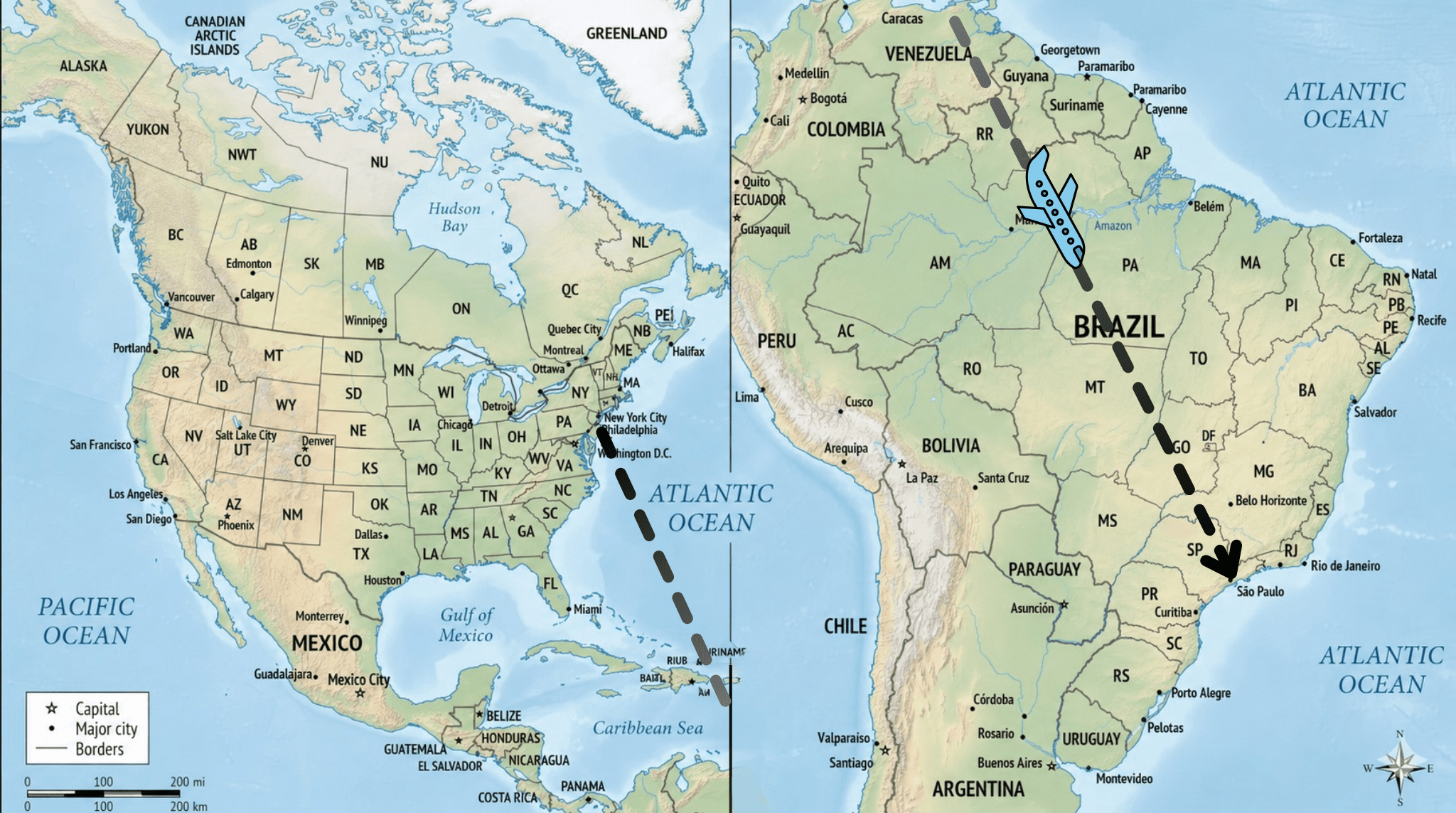
Getting from New York City to Paraty is a straightforward two-leg journey. From JFK, there is nonstop service to São Paulo–Guarulhos (GRU) on LATAM, Delta, and American, with a block time of roughly 10 hours. JFK also has nonstop service to Rio de Janeiro–Galeão (GIG) on American and LATAM. From Newark (EWR), United operates nonstop service to GRU with comparable block time. Most of these flights leave from JFK Terminal 4 or Terminal 8 in the evening and land in Brazil the following morning. Both GRU and GIG are the right arrival airports; from either one, it is a 4-hour drive along the BR-101 coastal highway to Paraty, on Brazil's Costa Verde coast. Nekawa arranges private ground transport from both airports, so students arrive directly without navigating Brazilian transit.
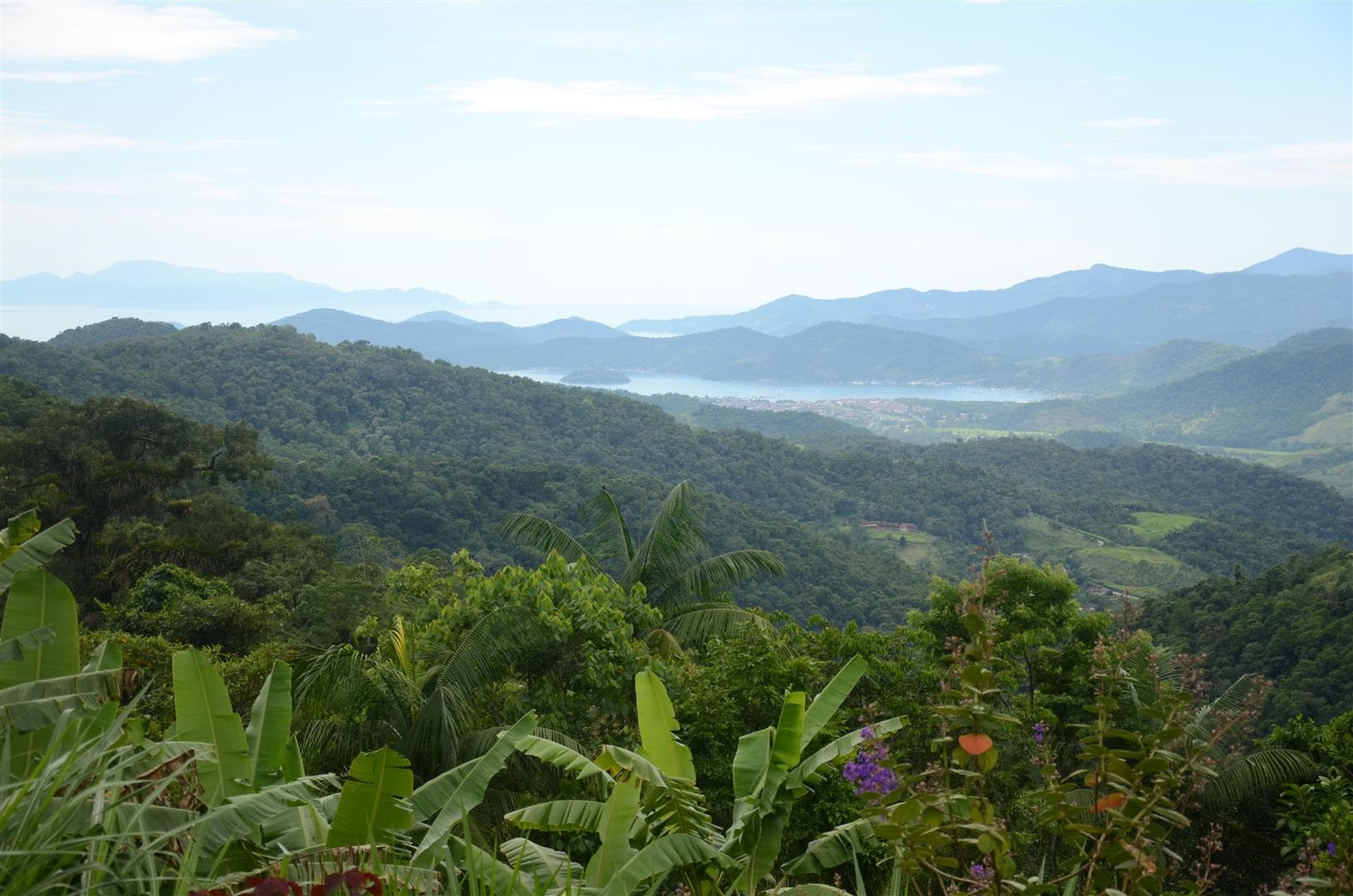
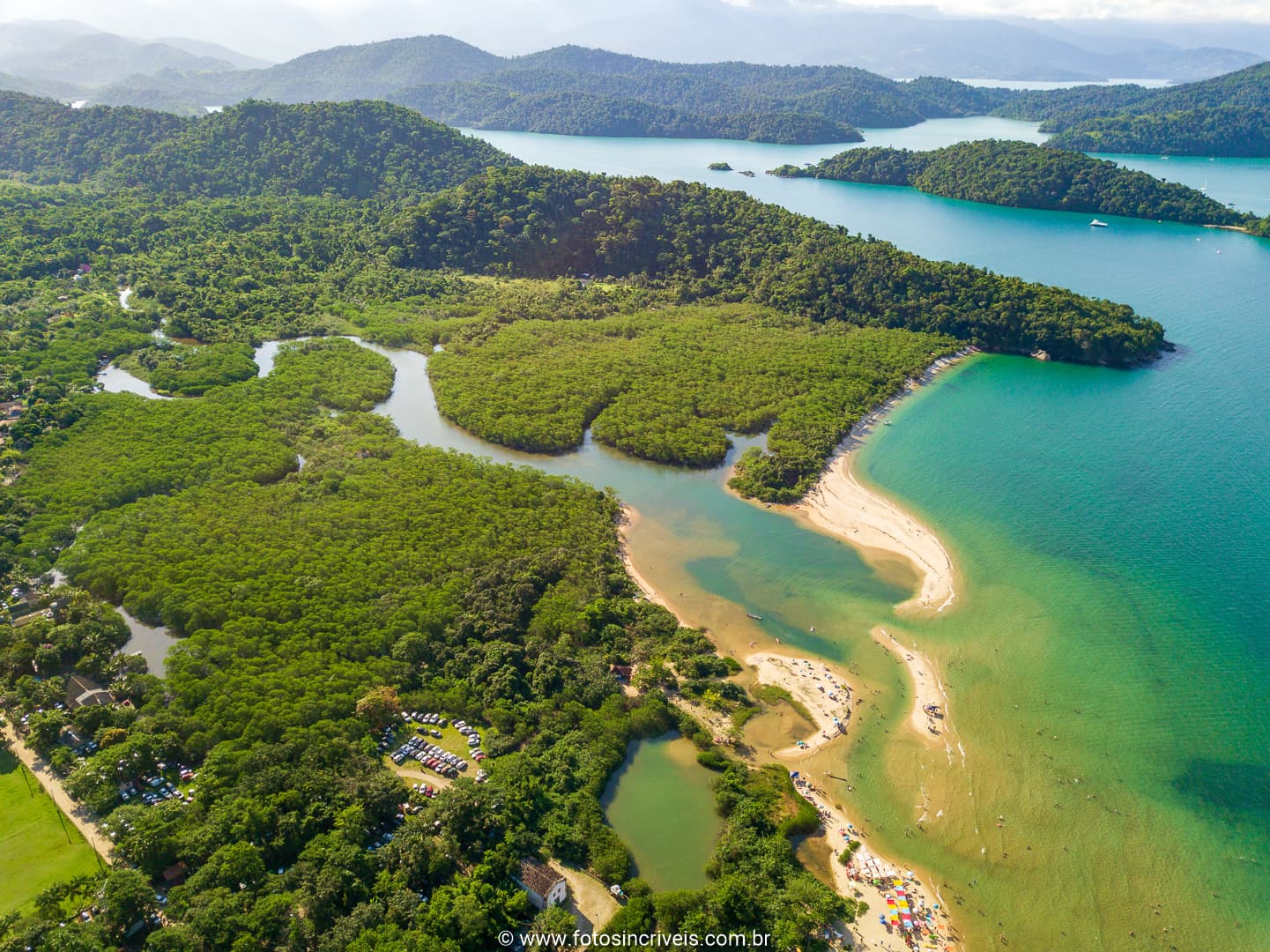
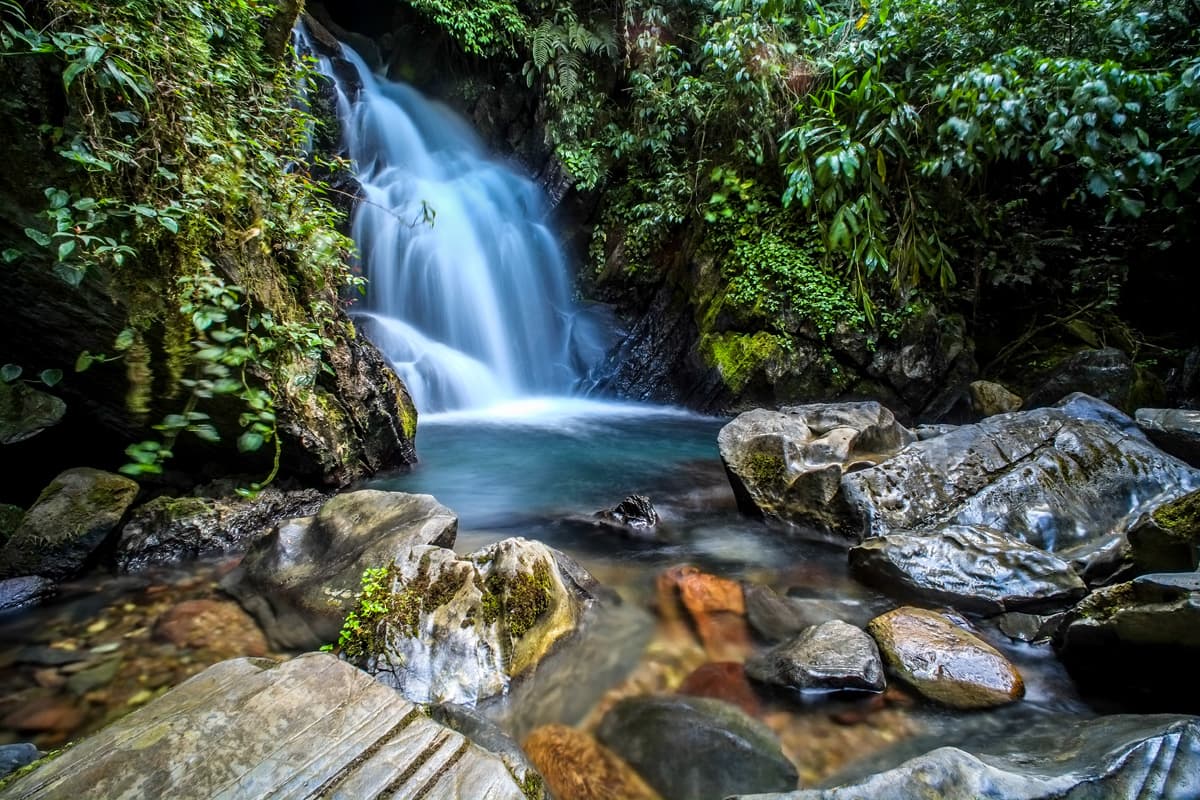
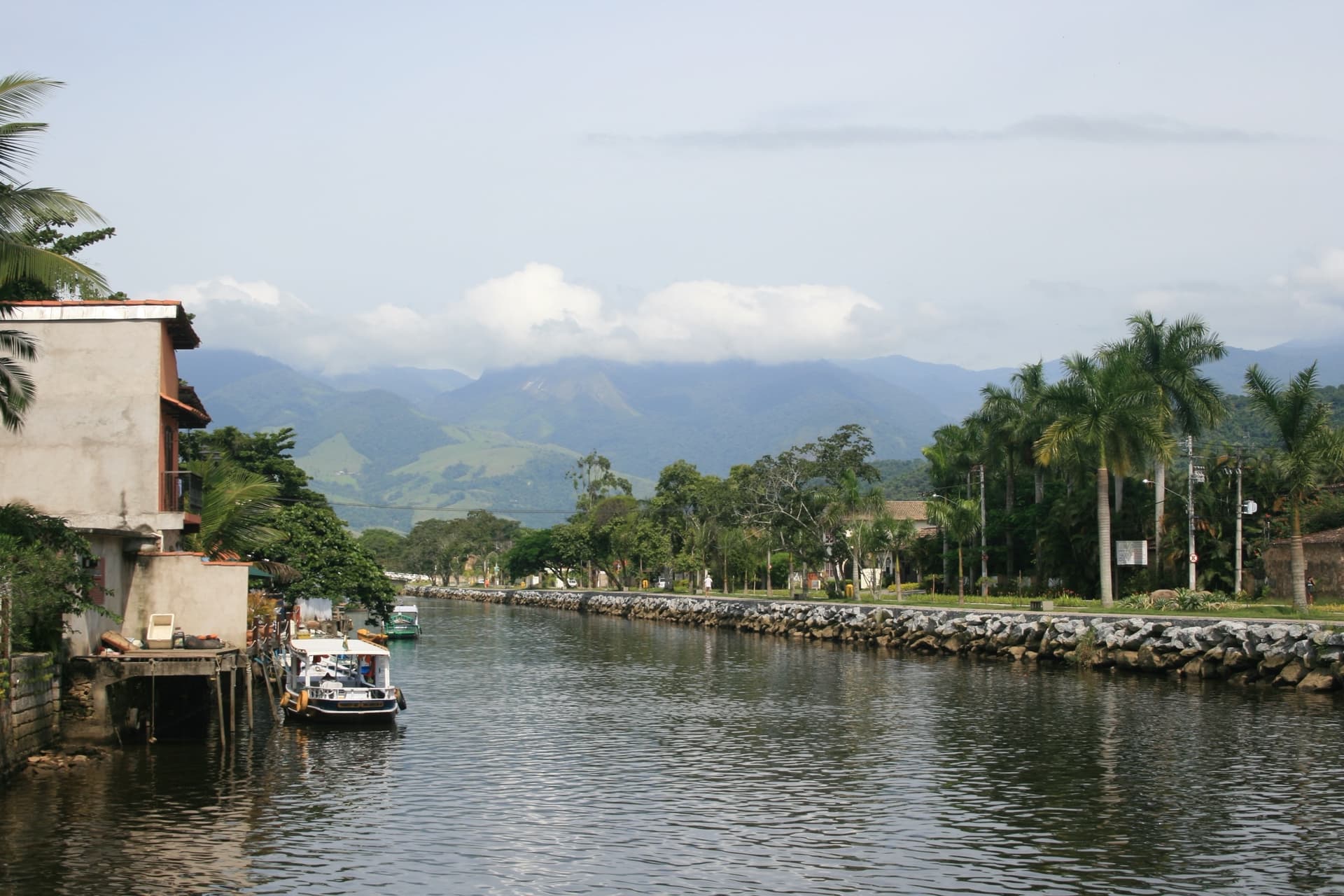
Paraty sits at the edge of the Atlantic rainforest (Mata Atlântica), one of the most biodiverse ecosystems on earth. What students arrive to is old-growth jungle, waterfalls, a protected lagoon, and a bay scattered with more than 300 forested islands. The colonial port town itself is a UNESCO World Heritage Site. This is not a clinical setting. It is a place designed, by its geography, for the kind of interior work that integration requires. More detail on the property, the rooms, and the route in is on our location page.
As of January 1, 2026, US travelers need an approved Brazilian eVisa to enter Brazil. Apply online at brazil.vfsevisa.com.
- Cost: US$80.90
- Processing time: about 72 hours
- Validity: 10 years, multiple entries of up to 90 days per stay
- Passport: US passport with at least 6 months of remaining validity
Our intake team walks every student through this during onboarding.
New York's legal and policy context for ibogaine
New York State has multiple ibogaine bills pending in the legislature as of April 2026, but none have passed. S1817 (Senate) and A1522 (Assembly) are companion bills that would direct New York's Office of Addiction Services and Supports (OASAS) to encourage and facilitate clinical research into ibogaine for heroin, methamphetamine, and cocaine addiction. S1817 is currently in the Senate Finance Committee.
Assembly Bill A9583, introduced in January 2026, would establish a research grant program funding clinical trials of ibogaine for veterans with post-traumatic stress disorder. Assembly Bill A628 takes a broader posture, calling for the legalization of ibogaine and other entheogenic substances for adults 21 and older. None of these bills change what is available to a New York resident today.
At the federal level, the April 2026 Trump Executive Order directed a major federal effort on ibogaine research, particularly for veterans. That accelerates the FDA's clinical trial framework but does not open a legal pathway for individual patients in New York in the near term. The Americans for Ibogaine state legislation tracker shows where New York's bills stand. For a full breakdown of ibogaine's current legal status, see our ibogaine legal status page.
What aftercare looks like back in New York City
The 45 days of at-home integration coursework that follow the on-site program are not a supplement, they are the second half of the treatment. The Window of Wonder, the period of elevated neuroplasticity after the session, closes over 2 to 12 weeks. What a student does inside that window shapes whether the neurological reset holds.
For students returning to New York City, that means returning to the pressures (the pace, the density, the professional demands of industries like finance, media, and technology) that often surrounded the addiction in the first place. A student stepping back onto a 6 train at rush hour the week after returning is walking back into the same sensory environment they left. The at-home coursework Nekawa provides is structured to meet that reality. It is not a generic aftercare checklist. It is a curriculum built around the specific psychological and behavioral work the session opened up.
Students from New York also have access to a network of therapists, psychiatrists, and integration specialists across the city who are familiar with psychedelic-assisted work. Nekawa's intake team can speak to that landscape during the discovery call. For students whose primary concern is opioid dependence, our opioid recovery program page covers what the full arc of preparation, session, and integration looks like for that track.
How to start: what the discovery call covers
The first step is a discovery call with our intake team. This is a candidacy and program-fit conversation; we are trying to understand whether Nekawa's program is genuinely the right fit for you or your loved one, and whether you are ready to commit to the full arc of preparation, session, and integration that the program requires. We cover your history, your goals, the program structure, the travel logistics, and what to expect from each phase.
Clinical screening (the cardiac workup, the blood panel, the QT-interval assessment) is conducted separately by the prescribing physicians after program fit has been established. Nekawa does not perform clinical screening and does not make medical determinations.
If you are a family member calling on behalf of someone in active addiction, that is a conversation we have regularly. The discovery call is the right place to start. Book a discovery call and our intake team will follow up within one business day.
Where the jungle meets the sea
Nekawa sits in the Atlantic rainforest just outside the colonial port town of Paraty. Old-growth jungle, waterfalls, natural swimming pools, and a bay scattered with more than 300 forested islands. After New York City, this is a different world.
Frequently asked questions
More questions? See our full FAQ.
New York City's 2024 overdose numbers reflect real progress, and they also reflect 2,192 people who didn't make it, in a city with 365 licensed treatment programs within 25 miles of its center. For families who have already been through those programs, the physician-prescribed pathway through Brazil is not a last resort. It is a different category of intervention, built around a different mechanism, inside a regulatory and medical framework that takes the cardiac risk seriously. If that is where you are, book a discovery call and our intake team will walk you through whether Nekawa's program is the right fit.
A medical program in a setting that matters
The hospital protocol is the foundation. The setting is the second medicine. See the property, the rooms, the team, and the route in.
Conectemos.
Sin presión — cuéntenos un poco sobre lo que está atravesando.