
Psychiatric Medications
Ibogaine and ADHD medications
Adderall, Ritalin, Vyvanse, Concerta. Stimulant dependence is not an indication for ibogaine, and no study has tested it. This page is for the people who take their focus from an orange bottle every morning and have started to wonder who they are without it.
How ibogaine can help, honestly told
Straight answer first: the research literature on ibogaine for ADHD or for stimulant medication dependence is empty. No trial, no cohort, nothing to quote. If someone sells you ibogaine as an ADHD treatment, walk away.
And still, people come. Usually not because the medication failed, but because it worked in a way that started to frighten them: the day does not begin until the pill does, the doses creep, the crash owns the evening, and a shortage at the pharmacy can unmake a week.
The spiritual work: finding what deserves your focus
Here is what we actually believe, and it is a philosophical claim, not a medical one: most of the people we meet never had a broken attention system. They had attention with nowhere it wanted to go. The treatment experience is a confrontation with your own life: in one survey every person treated reported insights about their personal past, and large majorities about the meaning of their life.¹¹³ People do not come out of that with better concentration. They come out knowing what they want to concentrate on, and that changes the entire problem.
Ibogaine is the first step, never the whole answer
One treatment does not build a purposeful life, and people who go through it without structure often struggle to integrate what they saw.¹²⁴ The month around treatment is where the real training happens: a strong, healthy environment with a spiritual, indigenous and philosophical approach to attention, built on the one practice with thousands of years of evidence behind it, which is meditation. Not a hack. A discipline.
Then, the neurochemistry, held lightly
A stimulant raises dopamine on a schedule; take it away and the system it trained sags. Whether ibogaine helps that system recover is an open question: the proposed mechanisms, a sustained rise in the growth factor GDNF ⁸¹ and a broader recalibration of reward circuitry, come from addiction research and theory, not from ADHD data.¹¹² We state that plainly because a page like this earns trust with its caveats or not at all.
An honest boundary
Some people are well served by their ADHD medication, full stop. We are not campaigning against it. This page is for the ones who feel the prescription has become a dependency with a diagnosis attached, and who want to find out, safely and deliberately, what their own mind can do.
Why ten days
Stimulants clear the body quickly compared with antidepressants, so the washout is shorter: ten days is our protocol for arriving with a clean baseline, set with your prescriber during screening.
The point is not just chemistry. Those ten days are usually the longest a person has gone without the medication in years, and what surfaces in them, the fog, the flatness, the reflex to reach for the bottle, is exactly the material the treatment and the program go to work on.
Screening also reviews everything else you take, because combinations, not single drugs, are where the real risks live.¹²³
Plan the pause with your prescriber; do not improvise it, especially if your dose is high or your schedule is layered with other medications. Nothing on this page is medical advice.

Training attention instead of renting it
A stimulant rents you focus by the hour. Our program is a month of training the faculty itself, inside an environment where attention has something worth landing on.
Exercise
Daily, vigorous, and first thing. The cleanest dopamine you will ever get, and the closest natural cousin to the medication you are leaving.
Meditation
The heart of the program. Attention is a muscle, meditation is its gym, and we train it every day until sitting still stops feeling like a punishment.
The jungle
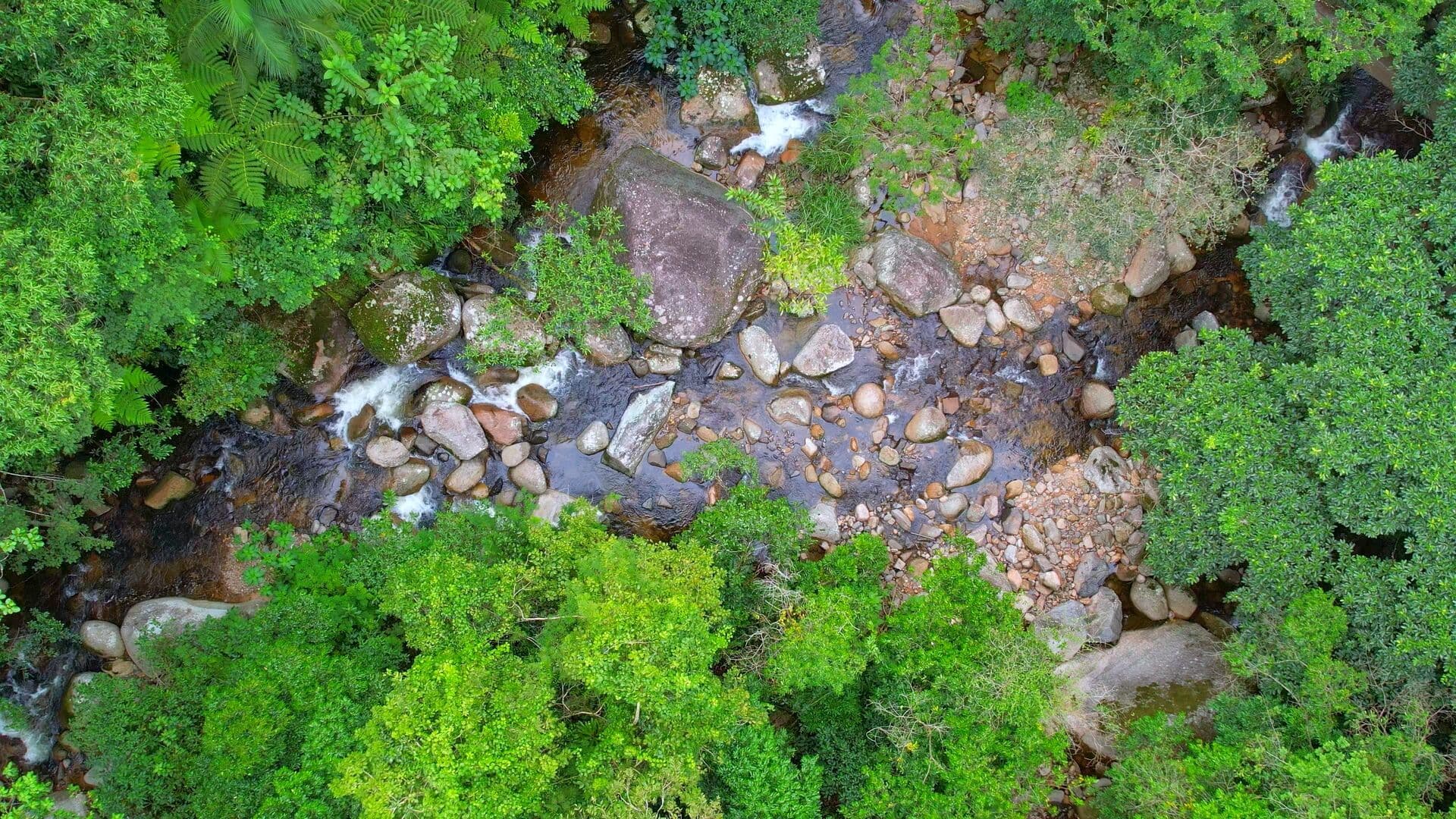
A rainforest does not compete for your attention; it rewards it. The campus removes the thousand small claims on your focus and replaces them with one large, living one.
Daily walking and hiking
Long trails, every day. A moving body settles a restless mind more reliably than any productivity system you have tried.
Excellent food
Real meals at real hours, cooked on site. Years of stimulant use flatten appetite and wreck eating rhythms; we rebuild both at the table.
Media detox
The phone trained your attention span into fragments and then sold you the deficit back. It stays off for the month. This one is not optional.
And where the transition needs support, plants before prescriptions
For the flat weeks after stimulants, we lean on the plant traditions rather than a replacement prescription: saffron and mulungu from South American practice, ashwagandha and brahmi from Ayurveda, chosen case by case with the physician. Supportive and traditional, never a substitute for the actual work.
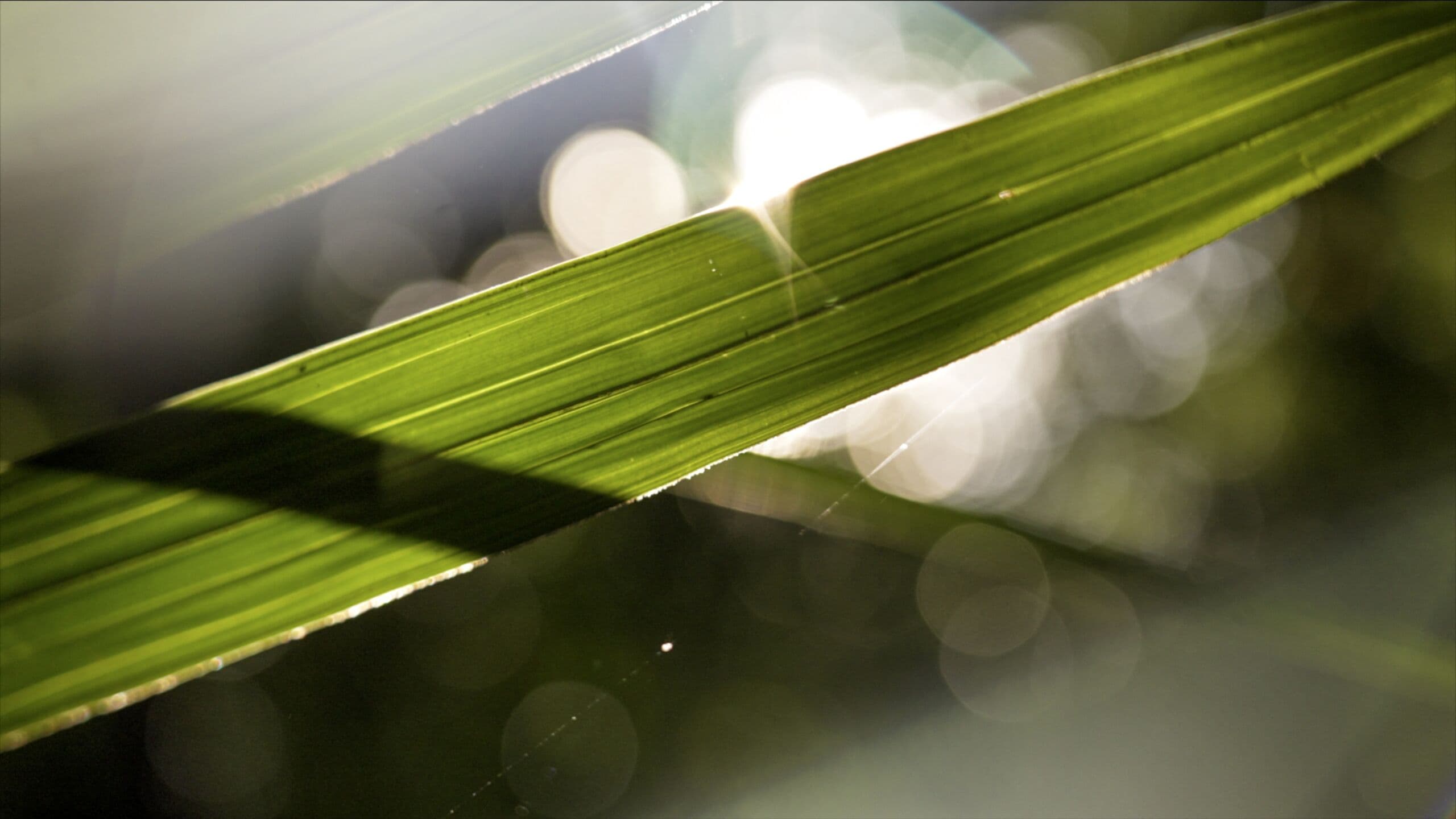

Come see what a month of real attention looks like
The rooms, the river, the trails, the long unhurried days. If you are going to find out what your unmedicated mind can do, this is a good place to meet it.

A society medicating its attention
The numbers describe something bigger than a diagnosis. Global estimates put persistent adult ADHD at around 140 million people, and far more meet symptom criteria.¹¹⁹ In the US, more than half of the seven million children ever diagnosed are on medication,¹³⁹ and the fastest prescription growth is no longer in children at all: it is in adults in their thirties and forties.¹³⁷
We would ask a different question than the prescription pad asks. When an entire society finds its attention broken at once, in the same decade its pockets filled with machines engineered to fragment it, is the deficit in a hundred million brains, or in the world they are being asked to attend to?
Both answers can be partly true, and we hold ours with humility. But it is why our program treats attention as something to be trained and aimed at a life worth living, rather than corrected at thirty milligrams a morning.
You never had a problem focusing. You had a problem finding what you actually want to focus on. Every person I have ever talked to, once they find something they are passionate about, has no problem focusing. It is when you are doing nothing, or doing something you do not want to be doing, that the mind scatters.
Our work is to train you to understand that your life is the thing you love and want to be doing. Then it stops mattering which activity you are doing: it is all in the purpose of your life, and you are focused on your life.
Charles D. Johnston, Co-Founder, Nekawa
Attention as a practice, not a prescription
Every generation gets a story about the mind. Ours was told that attention is brain chemistry, and chemistry is corrected at the pharmacy. The older traditions, indigenous, contemplative, philosophical, told a different story: attention is a capacity, it is trained, and what it is trained on is the meaning of your life. We built a campus around the second story.
Ibogaine, honestly framed, is the first step for those the physicians clear for it: a hard reset and, for many people, the clearest look they have ever had at what they actually want. The 28-Day UNprogram is the training that follows. Without the second part, the first is just an interesting week.
No trial backs ibogaine for this, and we will keep saying so until one exists. What we can show you is the program, the place, and the philosophy. Come look at all three before you decide anything.
Citations (10)
[81] He DY, Ron D (2006). Autoregulation of glial cell line-derived neurotrophic factor expression: implications for the long-lasting actions of ibogaine. The FASEB Journal, 20(13), 2420–2422. Read the source →
Shows ibogaine triggers a sustained, self-sustaining upregulation of GDNF in reward-related brain regions — a mechanism for effects that outlast the drug itself.
[112] Nicolas M (2025). Ibogaine's potential role in supporting reward system recovery across diagnostic boundaries. Frontiers in Pharmacology, 16, 1744383. Read the source →
A theoretical proposal that ibogaine's growth-factor induction, glutamatergic modulation, dopaminergic recalibration and reopening of neuroplasticity could amount to one mechanism for restoring reward-system function across substance use disorder, PTSD, OCD and eating disorders. A hypothesis paper: it is the only place OCD appears in the research literature summarised by the MAPS Investigator's Brochure, and it contains no OCD patient data.
[113] Heink A, Katsikas S, Lange-Altman T (2017). Examination of the phenomenology of the ibogaine treatment experience: role of altered states of consciousness and psychedelic experiences. Journal of Psychoactive Drugs, 49(3), 201–208. Read the source →
Survey of 27 people who underwent ibogaine treatment: all reported insights about their personal past, 97% experienced visions, 77% saw content drawn from their own childhood, and 85% reported subjective relief from guilt. Large majorities reported insights about the meaning of life, death, and creation. A small, self-selected online survey, reported as phenomenology rather than outcome evidence.
[119] Song P, Zha M, Yang Q, Zhang Y, Li X, Rudan I (2021). The prevalence of adult attention-deficit hyperactivity disorder: a global systematic review and meta-analysis. Journal of Global Health, 11, 04009. Read the source →
Globally, an estimated 2.58% of adults (about 140 million) have persistent ADHD carried from childhood, and 6.76% (about 366 million) meet symptom criteria regardless of documented childhood onset. The two figures answer different questions and should not be blended.
[121] US Food and Drug Administration & Drug Enforcement Administration (Califf RM, Milgram A) (2023). Joint letter on prescription stimulant shortages, 1 August 2023. US Food and Drug Administration. Read the source →
US dispensing of prescription stimulants rose 45.5% between 2012 and 2021, and the shortage that began in late 2022 left roughly a billion authorized amphetamine doses unproduced in 2022. A policy statement rather than a study; shortage conditions have evolved since.
[123] Knuijver T, Ter Heine R, Schellekens AFA, Heydari P, Lucas L, Westra S, Belgers M, Van Oosteren T, Verkes RJ, Kramers C (2024). The pharmacokinetics and pharmacodynamics of ibogaine in opioid use disorder patients. Journal of Psychopharmacology, 38(5), 481–488. Read the source →
PK/PD study in opioid use disorder patients: ibogaine clearance varies more than ten-fold with CYP2D6 enzyme activity, and QTc prolongation tracks drug exposure. The quantitative basis for strict cardiac screening and for clearing CYP2D6-inhibiting medications before treatment.
[124] Davis AK, Renn E, Windham-Herman AM, Polanco M, Barsuglia JP (2018). A mixed-method analysis of persisting effects associated with positive outcomes following ibogaine detoxification. Journal of Psychoactive Drugs, 50(4), 287–297. Read the source →
In a retrospective study of 73 people treated with ibogaine for opioid use disorder, roughly 23% reported difficulty integrating the experience into daily life afterwards. The evidence that ibogaine is a beginning that needs a structured program around it, not a standalone treatment.
[137] IQVIA (report prepared for the US Drug Enforcement Administration) (2024). Stimulant prescription trends in the United States from 2012–2023. US Drug Enforcement Administration, 13 November 2024. Read the source →
US dispensing of prescription stimulants rose 60% between 2012 and 2023. Growth was fastest in adults: up 240% among people aged 31–40, who are now the largest group receiving stimulant prescriptions. Counts prescriptions dispensed, not individual people.
[138] Staley BS, Robinson LR, Claussen AH, Katz SM, Danielson ML, Summers AD, Farr SL, Blumberg SJ, Tinker SC (2024). Attention-deficit/hyperactivity disorder diagnosis, treatment, and telehealth use in adults — United States, October–November 2023. MMWR Morbidity and Mortality Weekly Report, 73(40), 890–895. Read the source →
An estimated 6.0% of US adults, about 15.5 million people, had a current ADHD diagnosis in late 2023. Roughly one third had taken a prescription stimulant in the past year, and 71.5% of those reported difficulty getting a prescription filled during the shortage. A self-report rapid survey.
[139] Danielson ML, Claussen AH, Bitsko RH, Katz SM, Newsome K, Blumberg SJ, Kogan MD, Ghandour R (2024). ADHD prevalence among US children and adolescents in 2022. Journal of Clinical Child & Adolescent Psychology, 53(3), 343–360. Read the source →
In 2022, 11.4% of US children aged 3–17, over seven million, had ever been diagnosed with ADHD, and 53.6% of those with a current diagnosis were taking ADHD medication. Parent-report national survey data.