
Mental Health
Ibogaine for burnout
Burnout is what chronic stress does when nothing interrupts it. Ibogaine is an interruption. Here is what that does and does not mean, stated honestly.
What ibogaine can and cannot offer here
No study has tested ibogaine for burnout, and burnout is not a diagnosis: the WHO classifies it as an occupational phenomenon, chronic workplace stress that has not been successfully managed.¹⁰⁶ Everything we can tell you here comes from operating a program. Experience, not evidence.
What we see is this. People arrive hollowed out, running on an urgency they cannot switch off, and the first thing the program does is the thing their life will not: it stops. Weeks on a rainforest campus, a demanding treatment day at the center of it, and what students describe afterwards is not euphoria. It is quiet, and the strange novelty of wanting things again.
Two honest notes. Ibogaine is not a productivity hack; if you want the same pace with fresher legs, the treatment tends to argue with the pace itself. And it is a serious medical event: natural ibogaine treatment led by spiritual guides and iboga facilitators, with a registered nurse and a physician on hand, ECG monitoring during the experience, and cardiac screening before anything else, because it rules some people out.
The night your life gets played back
Here is what the waking dream tends to do to a burned-out person: it audits them. For hours, the dream walks through the life as it has actually been spent, and in the phenomenology research every surveyed person reported insights about their own past, most seeing scenes from as far back as childhood.¹¹³ People do not come out of that night with a productivity plan. They come out having watched, at length and without escape, what they traded their days for.
That sounds brutal, and sometimes it is: the night is draining, and we tell people so before they book anything.¹¹⁵ But the far side of it is where the rebirth language comes from. What was numb starts registering again. What was urgent reveals itself as noise. Students describe wanting things again, real things, and a kind of grief for the years spent wanting nothing. Burnout hollowed the mind out slowly; the dream shows the mind what happened to it, all at once, and minds tend to change when they see that.
Then comes the part that matters most and photographs worst: the slow retraining. New mornings, new pace, new answers to the question of what your time is for, practiced on the campus and carried home. The medicine provides the reckoning. The healing is what you build out of it, and that is mind work, not brain chemistry.


What stopping actually looks like
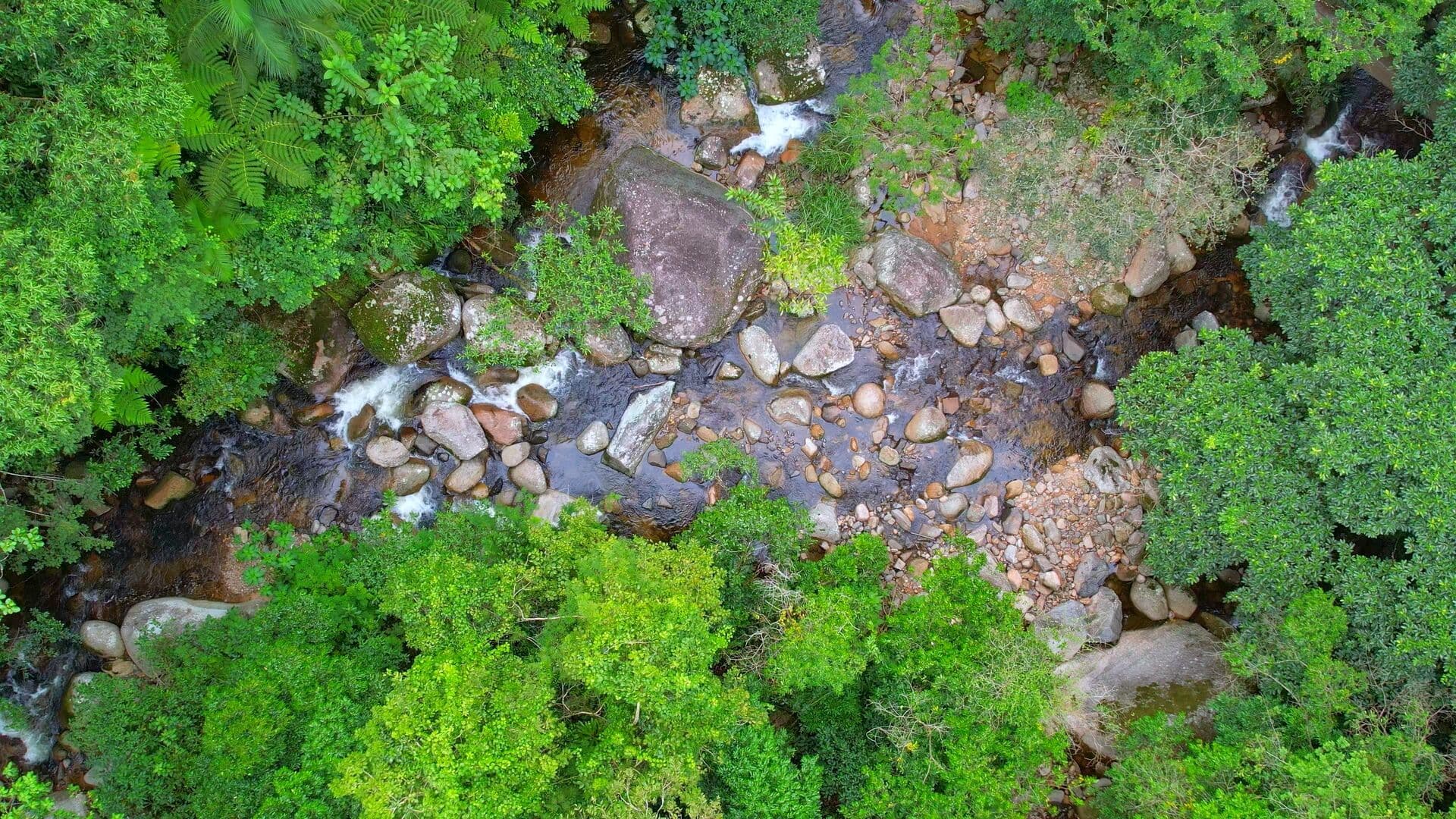
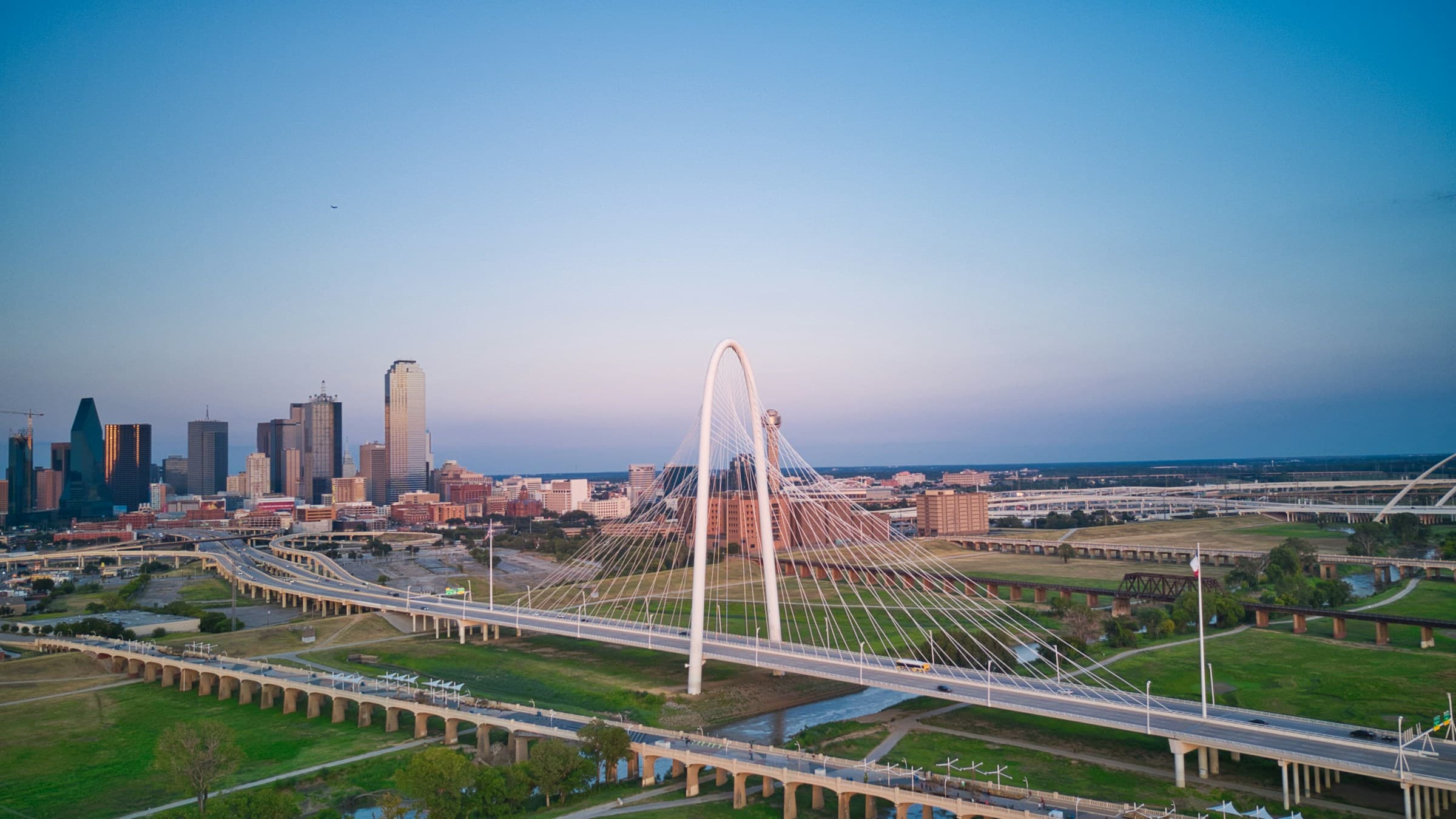
A campus in the rainforest with no inbox, no metrics, and water running through it. The weeks around treatment happen here, and most students say the place itself did half the work.
The economy runs on empty
Two in five workers on this planet ended yesterday stressed,¹⁰⁷ and the people society leans on hardest are burning fastest: nearly half of US physicians report at least one symptom of burnout,¹⁰⁹ and working women carry measurably more of it than men.¹⁰⁸
The WHO's definition is quietly radical: burnout is chronic workplace stress that has not been successfully managed.¹⁰⁶ Not a weak person. A workplace, and a culture, that never stops.
We built a campus in the rainforest partly as an argument about that culture: that stopping is not a luxury or a failure, and that some resets cannot happen at the same desk where the depletion did.
We experience burnout because we have lost sight of our purpose, and we have given ourselves over not to our own needs but to the needs of something else.
Our whole program is built upon rediscovering your purpose, and yourself. With the help of plant medicine, your energy and vitality will return.
Charles D. Johnston & Tatiana Aya Tupinambá, Co-Founders, Nekawa
A culture that remembers how to stop
The most interesting thing psychedelics are doing to the conversation about burnout has nothing to do with pharmacology. They are reintroducing an old idea: that a mind sometimes needs one profound, well-held pause, not another coping strategy bolted onto the same schedule.
Policy is starting to treat mental health with that seriousness. A 2026 US executive order put $50 million behind psychedelic medicine review, naming ibogaine among the compounds worth studying properly.⁸⁰ Burnout will be one of the last conditions formally studied, because it is not a diagnosis; the people carrying it will not wait that long, and they deserve honesty in the meantime.
Ours is on this page: no trial, real experience, real risk, real screening. And a campus that exists because we think the deepest thing a burned-out person can be given is not a substance. It is permission, structure, and enough quiet to hear themselves again.
Citations (7)
[80] The White House (2026). Fact sheet: President Donald J. Trump is accelerating medical treatments for serious mental illness. whitehouse.gov, 18 April 2026. Read the source →
The April 2026 executive order directing the FDA to prioritise review of psychedelic medicines, naming ibogaine, easing DEA research restrictions, and funding the effort with $50 million.
[106] World Health Organization (2019). Burn-out an "occupational phenomenon": International Classification of Diseases. World Health Organization, 28 May 2019. Read the source →
The WHO classifies burnout in ICD-11 as an occupational phenomenon, not a medical condition: a syndrome resulting from chronic workplace stress that has not been successfully managed, with three dimensions (exhaustion, cynicism or mental distance, and reduced efficacy).
[107] Gallup (2026). State of the Global Workplace: 2026 Report (global data summary). Gallup. Read the source →
40% of employees worldwide said they experienced a lot of stress the previous day, and only 20% were engaged at work. Single-item self-report survey.
[108] Gallup (2026). How to Prevent Employee Burnout. Gallup (Q4 2025 survey data). Read the source →
31% of US working women and 23% of working men say they very often or always feel burned out at work. Gallup updates this page periodically, so figures may shift on refresh.
[109] Shanafelt TD, West CP, Sinsky C, Trockel M, et al. (2025). Changes in burnout and satisfaction with work-life integration in physicians and the general US working population between 2011 and 2023. Mayo Clinic Proceedings, 100(3). Read the source →
45.2% of US physicians reported at least one symptom of burnout in 2023, down from a peak of 62.8% in 2021 but still elevated against the general working population. Triennial AMA/Mayo/Stanford survey.
[113] Heink A, Katsikas S, Lange-Altman T (2017). Examination of the phenomenology of the ibogaine treatment experience: role of altered states of consciousness and psychedelic experiences. Journal of Psychoactive Drugs, 49(3), 201–208. Read the source →
Survey of 27 people who underwent ibogaine treatment: all reported insights about their personal past, 97% experienced visions, 77% saw content drawn from their own childhood, and 85% reported subjective relief from guilt. Large majorities reported insights about the meaning of life, death, and creation. A small, self-selected online survey, reported as phenomenology rather than outcome evidence.
[115] Camlin TJ, Eulert D, Horvath AT, Bucky SF, Barsuglia J, Polanco M (2018). A phenomenological investigation into the lived experience of ibogaine and its potential to treat opioid use disorders. Journal of Psychedelic Studies, 2(1), 24–35. Read the source →
Qualitative study of 10 people treated with ibogaine in Mexico: 80% described the experience as physically draining, one comparing it to having survived cancer. The source for stating honestly that the treatment night is often demanding or harrowing rather than pleasant, which also helps explain ibogaine's low abuse potential.