
July 2, 2026
DEA Moves to Temporarily Schedule Concentrated 7-OH and Related Synthetic Opioids
On July 1, 2026, the DEA filed notices of intent to place concentrated 7-hydroxymitragynine and three related synthetic substances into Schedule I. Botanical leaf kratom below the agency's threshold is not covered.
On July 1, 2026, the U.S. Drug Enforcement Administration filed notices of intent to temporarily place concentrated 7-hydroxymitragynine — commonly called 7-OH — and three related substances into Schedule I of the Controlled Substances Act. Schedule I is the same federal category that includes heroin and LSD: substances the government treats as having no accepted medical use and a high potential for abuse.
The action is aimed at the concentrated and synthetic products that have flooded gas stations, convenience stores, smoke shops, and online storefronts — not at ordinary botanical kratom leaf that stays below the agency's concentration threshold.
What the DEA filed
According to the DEA's July 1 press release, two Notices of Intent went to the Federal Register the same day. One covers 7-OH above a specified threshold. The second covers three related compounds: mitragynine pseudoindoxyl (also called MP), MGM-15, and MGM-16.
Reporting on the notices indicates the 7-OH threshold is roughly 0.05 percent of dry weight, or more than one milligram of 7-OH per product. Temporary scheduling typically runs for two years, with a possible one-year extension. Once an order takes effect, manufacture, distribution, sale, and possession of covered products fall under the criminal and civil penalties of the Controlled Substances Act.
Before the notices went out, the Department of Health and Human Services confirmed that synthetic 7-OH and the three related substances have no accepted medical use and a high potential for abuse — the statutory findings required for this kind of emergency scheduling.
What officials said
“Today's action targets highly concentrated, synthetic 7-OH products, which pose a growing threat to public safety and health. Temporarily scheduling these substances underscores the emphasis this Administration has put on the safety, health and well-being of the American people.”
– DEA Administrator Terrance Cole
“7-OH, MP, MGM-15, and MGM-16 are dangerous opioids that fuel addiction and put American lives at risk. HHS reviewed the science and recommended this action.”
– HHS Secretary Robert F. Kennedy, Jr., in the DEA announcement
Leaf kratom vs. concentrated 7-OH
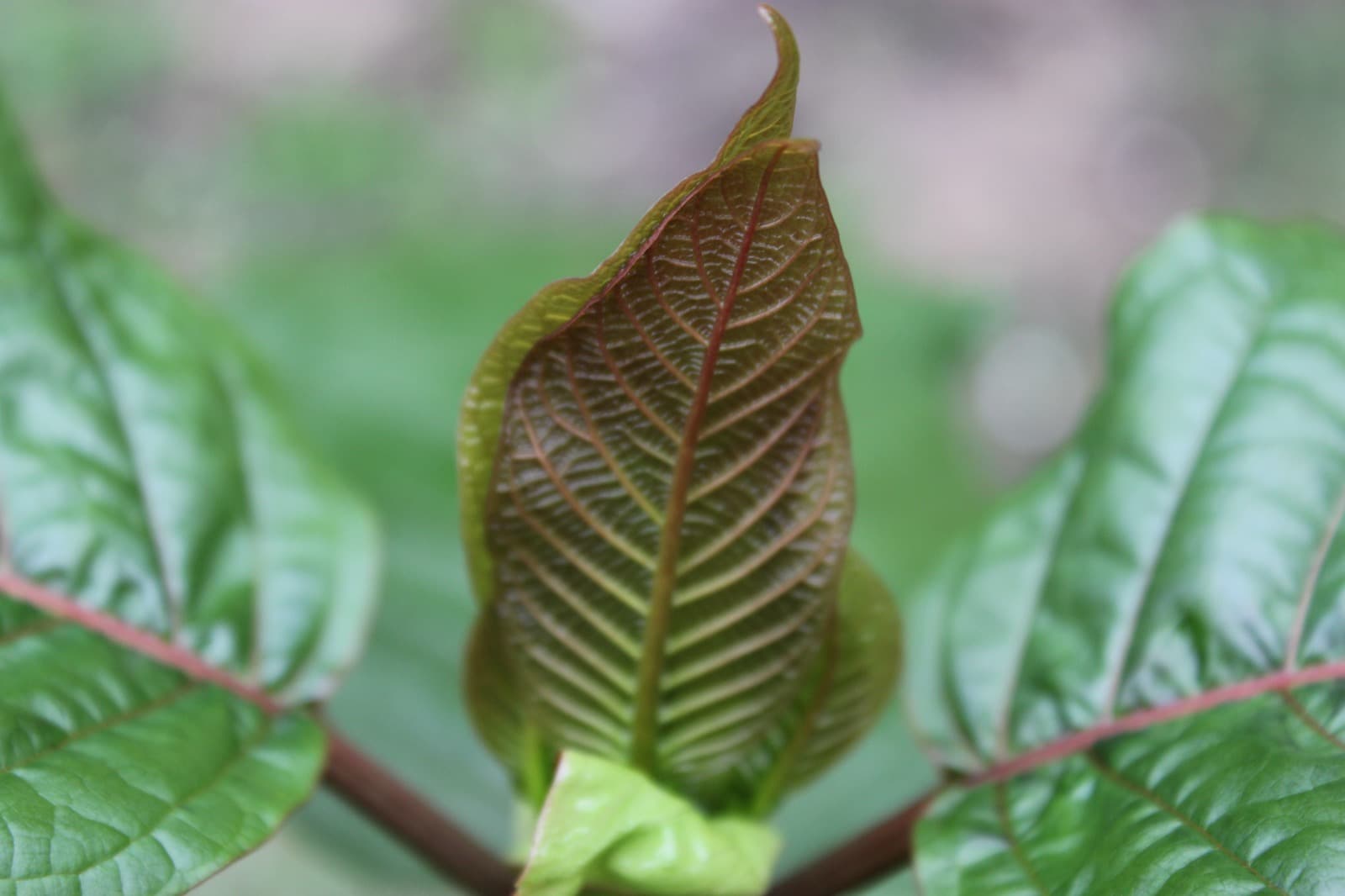
Kratom comes from the leaves of Mitragyna speciosa, a tree native to Southeast Asia. In the leaf, the main alkaloid is mitragynine. The body converts some of that mitragynine into 7-OH, which binds the mu-opioid receptor far more tightly. In natural leaf, 7-OH appears only in trace amounts.
The products driving this federal response are different. Manufacturers have concentrated or synthesized 7-OH into tablets, gummies, drink shots, powders, and dissolvable strips — often sold next to the register and marketed like a casual supplement. DEA laboratory work has found commercial products with far more 7-OH than botanical leaf contains. The agency says those effects are highly unpredictable.
The DEA was explicit that botanical kratom products with naturally occurring 7-OH below the specified threshold are outside this temporary scheduling action. Natural leaf remains federally unscheduled for now, though some states have already restricted or banned kratom or 7-OH on their own.
How we got here
Federal pressure on concentrated 7-OH has been building for about a year. In July 2025, the FDA recommended that concentrated 7-OH be controlled as an opioid and described it as capable of being more potent than morphine. Warning letters followed for companies marketing those products. The July 2026 DEA notices are the enforcement step that turns that scientific recommendation into a path toward Schedule I control.
MP, MGM-15, and MGM-16 do not occur naturally in the leaf. They show up in candies, tablets, and liquid shots that are often sold as if they were kratom extracts, even when the chemistry is synthetic. That packaging gap — opioid-strength compounds sold like candy — is a large part of why regulators moved.
What happens next
A temporary scheduling order is not instantaneous. Public comment and Attorney General review still sit between the notices of intent and an order that actually takes effect. Coverage of the process has pointed to a comment window running through late July 2026. Until an order is published and effective, the legal status of covered products remains in flux — but the direction of federal policy is no longer ambiguous.
For people already dependent on concentrated 7-OH or related extracts, the policy fight is secondary to the pharmacology. These products act on the same opioid receptors as morphine and heroin. Quitting them can look like opioid withdrawal: craving, aches, insomnia, and a relapse window that lasts longer than the acute physical symptoms. Nekawa Ibogaine Treatment Centers offers ibogaine for treating kratom addiction and 7-OH dependence as the opioid dependence it is, through a medically supervised pathway in Brazil.
Primary source: DEA — DEA to Temporarily Schedule 7-OH and Related Substances to Protect Public Safety (July 1, 2026).