Ibogaine for TBI (traumatic brain injury)
Thirty Special Operations veterans travelled to an international clinic for ibogaine, and Stanford scanned and tested them on both sides of the trip. Their cortex got thicker, their brain rhythms slowed toward a healthier pattern, and their predicted brain age fell by 1.60 years. There is no waiting period here, because there is nothing to clear.
Medical care connected to the program is provided by licensed medical professionals under their own licenses. See our medical disclaimer.
In 2024, Stanford published what happened to 30 veterans who travelled abroad for ibogaine treatment. The results are almost unbelievable.⁴²
Thirty men. All of them US Special Operations Forces. Between them, years of blast exposure, breaching charges, hard landings, and the kind of impacts nobody files paperwork about. Twenty-three of the thirty had PTSD on top of the injury. Nearly half were having thoughts of killing themselves.
They travelled to an international clinic for the treatment, because ibogaine is Schedule I in the United States and no American hospital is allowed to give it. Stanford did the measuring, before they went and after they came back.
One month later, the group had gone from mild-to-moderate disability to no measurable disability at all. Nine out of ten no longer met the criteria for PTSD.⁴² It is the reason this page exists.
“TBI is something that has been ignored for decades, and now we have a solution.”
Charles D. Johnston, Co-Founder, Nekawa
How ibogaine treatment for TBI works at Nekawa
Ibogaine is a powerful plant medicine, and we are still understanding the full range of what it does. What we can say is that it does not manage the symptoms of a TBI, which is what almost everything else on offer does. It acts on the tissue itself.
The mechanism most often put forward is neurotrophic. In animal and cell studies, ibogaine and its metabolite noribogaine increase growth factors that drive neurons to repair and reconnect, most consistently GDNF, and BDNF depending on context.¹⁷ We should be careful with that, because almost all of it is preclinical. What has been measured in humans is the outcome: in the Stanford cohort, cognition improved, the cortex got measurably thicker, brain rhythms slowed toward a healthier pattern, and predicted brain age went down.⁴² ⁴³ ⁴⁴
Here is the part most people miss. Ibogaine treatment for TBI is one day. The brain does its actual rebuilding over the months either side of it, and what it needs in that window is not exotic. It is sleep that runs deep enough to clear the day. Real food. Movement. Sunlight. Long stretches without a screen pulling at your attention. These are the least glamorous interventions in medicine and among the best evidenced for an injured brain, and they are almost impossible to sustain in the life most people are trying to recover inside of.
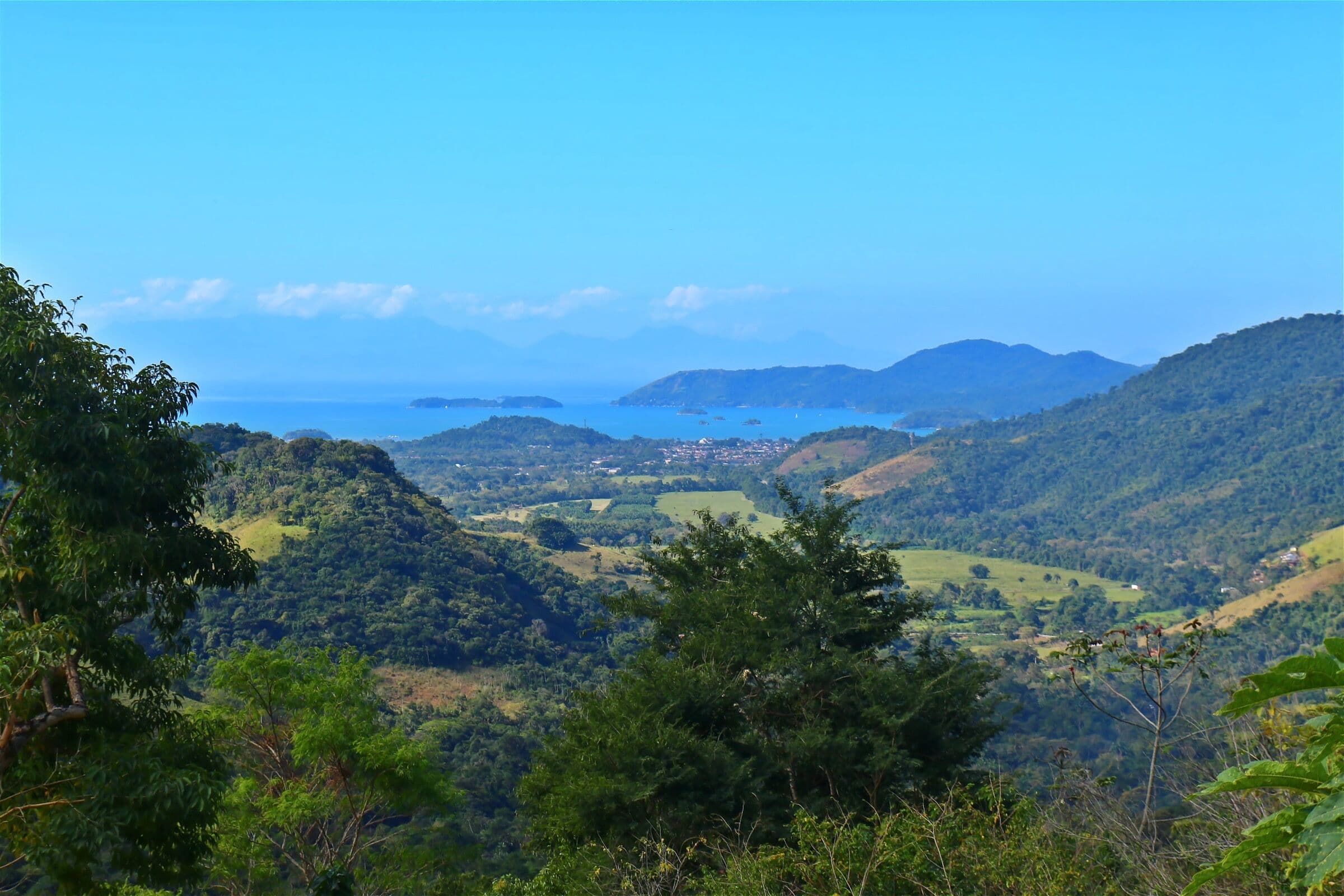
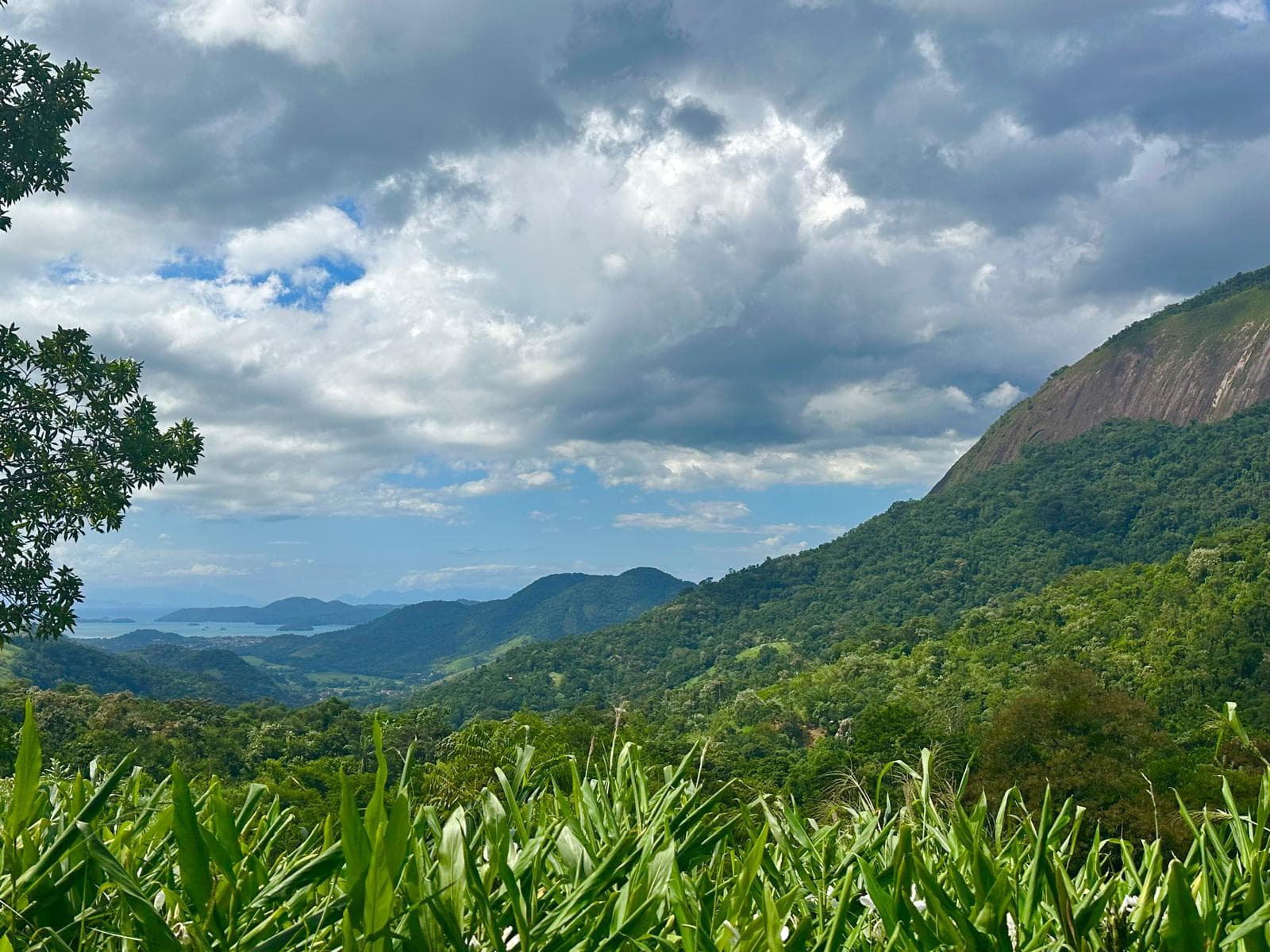
So the program is built to make them unavoidable. You are on a rainforest campus with the ocean and the mountains around you, eating fresh organic food grown nearby, moving every day, sleeping without a phone next to your head, and away from the noise for long enough that your nervous system stops bracing. The treatment opens a window. These are the things that decide what gets built in it.

Why TBI is so hard to pin down
Traumatic brain injury, TBI, is not one event. The impact is over in a fraction of a second, and everything that actually causes the trouble happens afterward, over weeks and years: inflammation that does not switch off, connections between regions that stop firing in time with each other, and a slow thinning of the cortex in the places that took the load.
This is why so many people with a head injury history are told nothing is wrong. A standard CT or MRI looks for bleeding and gross structural damage. Mild traumatic brain injury, the kind produced by blast waves, repeated concussion, and a lifetime of ordinary hard knocks, usually leaves neither. The scan comes back clean and the person goes home still unable to hold a thought, still exhausted by a conversation, still furious for no reason they can name.
The symptoms are consistent enough to be a pattern rather than a complaint: memory that drops things, attention that will not hold, word-finding that stalls mid-sentence, sleep that does not restore, a shorter temper than you used to have, and a flatness where your personality used to be. Families notice it before doctors do. What makes it so hard to carry is that everyone can see the change and nobody can point to the injury. How does ibogaine work?
Athletes are going public about this too
The people who take the most head impacts outside a war zone are starting to talk openly about ibogaine, and they are going for ibogaine treatment, the same as the veterans.
“I was blessed to meet the most forward thinking doctors from Stanford University and undergo a series of treatments to address trauma ... and underwent Ibogaine treatment.”
“... I’ve felt a real shift, especially in my sleep and energy.”
Brett Favre puts his Parkinson’s down to twenty years of head impacts. These are accounts, not evidence, and we are not going to dress them up as anything more. But you do not need a study to notice who is quietly getting on a plane.
What ibogaine treatment for TBI did to a human brain, measured
Plenty of people have described feeling clearer after ibogaine. Until this cohort, nobody had put those people in a scanner on both sides of the treatment and looked. When someone finally did, two numbers came out of it.
1.6 years younger
Predicted brain age is a model estimate: feed it a structural scan and it tells you how old that brain looks. One month after treatment, the estimate for these men had dropped by 1.60 years.⁴³ Nobody expected a number to move in that direction over a month.
One cohort, 30 people, no control group. Worth being excited about and worth not overreading.
Eleven regions out of thirteen got thicker
Cortical thinning is one of the things a TBI leaves behind. Roughly seven days after treatment, cortical thickness had increased significantly in 11 of the 13 regions the researchers measured, and it was still there at one month rather than settling back.⁴³
This is the first direct evidence in humans that ibogaine changes brain structure at all. The authors describe it as consistent with the neurotrophic mechanism people have proposed for years. Consistent with, not proof of.
The rhythm slowed down, and that turned out to be the good news
A TBI tends to leave the cortex running fast and noisy. After treatment, the pattern moved the other way: slower theta and alpha rhythms gained power, faster beta and gamma activity lost it, and the shift held at one month.⁴⁴ It was not just a change on a chart. The men whose rhythms shifted most were the men whose cognitive inhibition improved most.
Stylised illustration of the direction of the finding, not plotted study data.
Scans are interesting. This is the part people actually care about.
One month after treatment, the same 30 men were put through formal neuropsychological testing. Four domains improved significantly, and nothing got worse on any measure.⁴² The researchers note that some of the gain could be practice effect, since these were repeat tests, and we are repeating that caveat rather than quietly dropping it.
Processing speed
How fast information gets handled at all. The thing people mean when they say everything takes effort now.
Executive function
Inhibition, flexibility, problem-solving, working memory. Holding a plan while the world interrupts it.
Verbal fluency
Finding the word you are reaching for, at the speed you used to find it.
Verbal learning
Taking in something new and still having it later.
And the number nobody puts on a brochure
Just under half the group arrived with suicidal thoughts. Immediately after treatment, none of them did. At one month, two did.⁴² The one-year follow-up reports that the reduction held, though that paper is still a preprint and has not been through peer review.⁴⁷
85% fewer men reporting suicidal thoughts, one month on
What none of this proves
Everything above comes from one group of 30 men. They were all Special Operations Forces veterans, all male, and all screened into a study. There was no control group and no placebo, and everybody involved knew what they were taking.
That means the honest reading is narrower than the numbers make it feel. Some of the cognitive improvement may be practice effect, and the researchers say so themselves. And a change that holds at one month, or even at one year in a single preprint, is not the same as a repair that lasts.
The only other group studied is a cohort of 86 trauma-exposed Special Operations veterans treated at an international clinic, who reported improvements in post-concussive symptoms and cognition holding to six months.⁴⁶ They received 5-MeO-DMT alongside the ibogaine, so that study cannot isolate either compound. Which leaves the same gap in both directions: every person studied so far has been a special operations veteran, and whether any of this generalises to a retired athlete, a car accident survivor, or a woman with years of concussions is simply unknown.
Ibogaine is not an established treatment for TBI. It is a serious compound with real cardiac risk, sitting on early and genuinely promising evidence, and the controlled trials that would settle the question have not been run yet. We would rather you read that here than find it out later.
Governments started funding this because of veterans
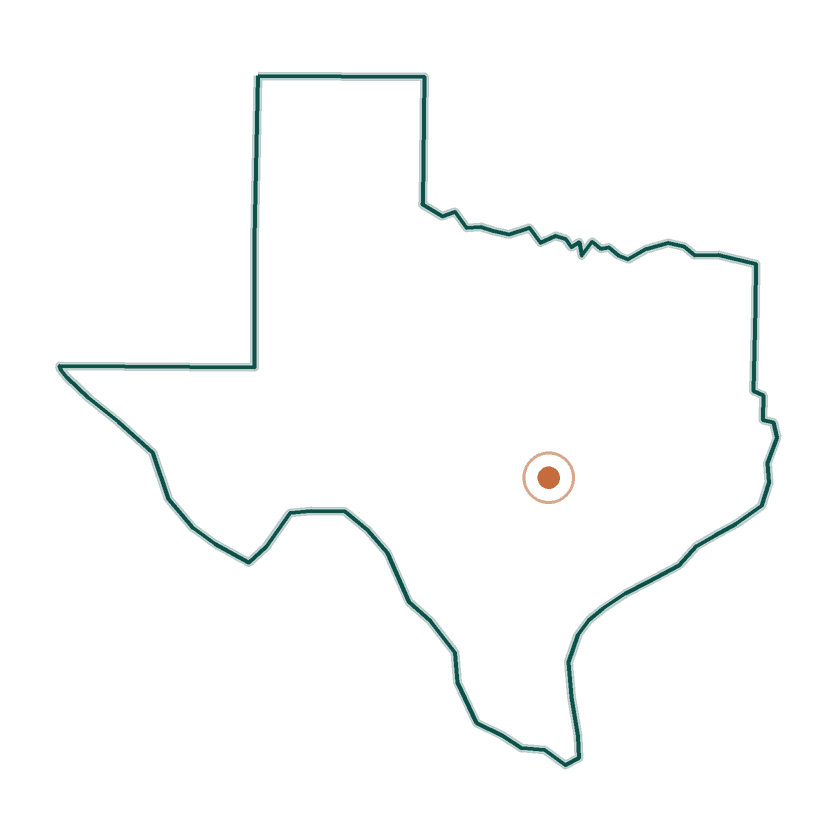
In May 2025, Texas passed Senate Bill 2308 and House Bill 3717, putting $50 million of state money into FDA-approved ibogaine trials and naming traumatic brain injury explicitly alongside addiction and trauma. It is the largest public investment any government has made in psychedelic research.
The work went to a consortium led by UTHealth Houston with the University of Texas Medical Branch at Galveston.
A federal executive order followed on 18 April 2026, directing broader coordination on psychedelics for conditions affecting military veterans and committing a further $50 million through ARPA-H, with priority review vouchers intended to compress FDA timelines from about a year to a month or two.
None of that is evidence that ibogaine works. It is evidence that the people who read the same studies you have just read decided the question was worth settling properly. One of the veterans who helped push it into public view was Medal of Honor recipient Dakota Meyer. Watch his interview →
What's included in your program
- Natural ibogaine treatment for TBI with spiritual guides and medical oversight
- Full cardiac screening, including EKG, before the treatment is approved
- A review of your injury history, symptoms, and any current medications
- Preparation and integration support with psychedelic-experienced psychologists
- Pre-treatment Ayurvedic cleansing protocol (sweat, colonics, nutrition, exercise)
- BDNF stimulation protocols for accelerated neural repair
- Post-treatment integration support for months, not days, during the Window of Wonder (WoW)
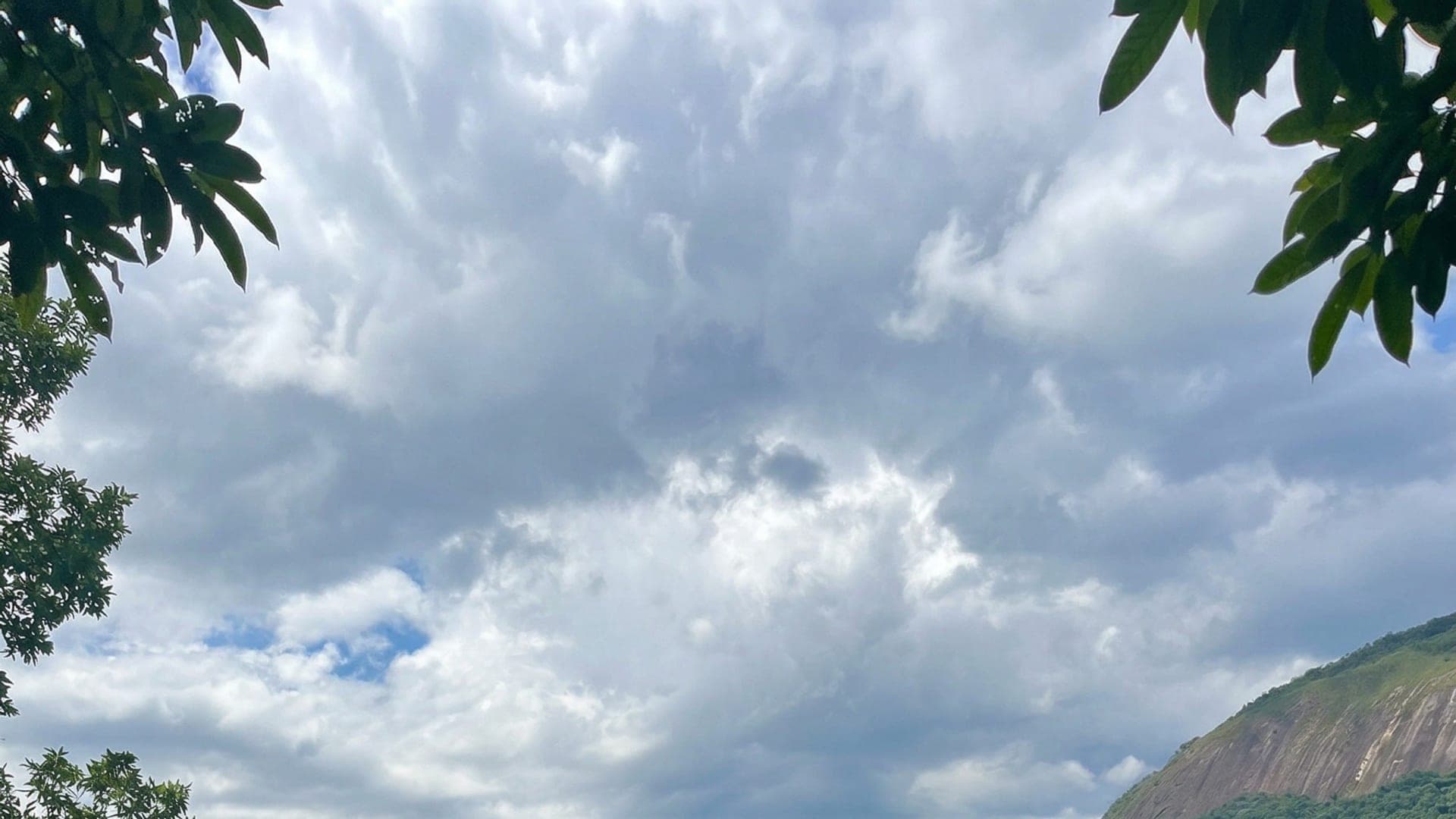
- Accommodations at our rainforest center for the full program, with nature immersion: rainforest, ocean, and mountain
Suggested Programs
There is no waiting period here, so the whole question is how much room you want around the treatment. Four weeks is the shape that fits a brain injury: it matches the window the research actually measured, and it is long enough for sleep, food and movement to become a rhythm rather than a good intention.
28 days
28-Day Program
Screening, the treatment, and the four weeks after it, which is exactly the window in which the Stanford cognitive gains were measured. Long enough for the sleep, food, movement and quiet to stop being a novelty and start being how you live.
Learn more →6, 8 or 12 weeks
Advanced Program
More room on the far side, worth considering if the injury is older, the symptoms are heavier, or you want the new routine to be thoroughly established before you go home to test it.
Learn more →

How ibogaine addresses this substance
Ibogaine works across four neurological and psychological dimensions, each specific to how this substance affects the brain.
Structural Repair
The leading explanation for the lasting effects of ibogaine is neurotrophic: growth factors that push neurons to repair and reconnect. In the Stanford veterans, cortical thickness increased in 11 of 13 regions measured, which is the first direct evidence in a human being that something structural changes.
Cognitive Recovery
One month after ibogaine treatment for TBI, processing speed, executive function, verbal fluency and verbal learning had all improved on formal testing, with no decline on any measure. The authors are careful to note that practice effects may account for part of it, and we will be equally careful.
Emotional Regulation
The symptom people describe most is not memory, it is the temper and the flatness. Alongside the cognitive gains, the same cohort showed large reductions in PTSD, depression and anxiety, and the EEG changes tracked those improvements rather than sitting apart from them.
Coming Back To Yourself
Almost everyone living with a TBI describes some version of feeling like a stranger in their own life. That is the thing the measurements cannot capture and the thing people actually come here for. We will not promise it. We will say it is what our students talk about most.
Ibogaine aftercare is the best way to ensure long-term success
Citations (8)
[17] Marton S, González B, Rodríguez-Bottero S, et al. (2019). Ibogaine Administration Modifies GDNF and BDNF Expression in Brain Regions Involved in Mesocorticolimbic and Nigral Dopaminergic Circuits. Frontiers in Pharmacology, 10, 193. Read the source →
Rodent study showing that a single dose of ibogaine raises BDNF expression in the nucleus accumbens, substantia nigra, and prefrontal cortex, and selectively raises GDNF in the ventral tegmental area at the dose range effective in self-administration models.
[42] Cherian K, Keynan J, Anker L, Faerman A, Brown R, Shamma A, Keynan O, Coetzee J, Batail JM, Phillips A, Bassano N, Sahlem G, Inzunza J, Millar T, Dickinson J, Rolle C, Keller J, Adamson M, Kratter I, Williams N (2024). Magnesium-ibogaine therapy in veterans with traumatic brain injuries. Nature Medicine, 30, 373–381. Read the source →
The MISTIC trial. 30 male US Special Operations Forces veterans with predominantly mild traumatic brain injury received intravenous magnesium plus oral ibogaine (mean 12.1 mg/kg); 23 met criteria for PTSD at baseline. One month after treatment the group had moved from mild-to-moderate disability to no disability on the WHODAS-2.0 (30.2 to 5.1, d = 2.20), the study primary outcome. PTSD symptoms fell 88% on average, with a 100% response rate and 86% remission (d = 2.54); depression fell 87% (83% remission) and anxiety 81% (83% remission). Suicidal ideation fell from 47% at baseline to 7% at one month. Participants also gained in processing speed, executive function, verbal fluency and verbal learning, with no cognitive decline on any measure, and there were no serious or unexpected treatment-emergent adverse events. Open-label and uncontrolled, in a highly selected cohort, with magnesium co-administered, so the effect cannot be attributed to ibogaine alone.
[43] Adamson M (2025). Changes in Brain Structure and Age in Veterans With TBI After Treatment With Magnesium-Ibogaine. Archives of Physical Medicine and Rehabilitation, 106(4), e162–e163. Read the source →
The first in-human structural MRI evidence of brain change after ibogaine. In the same 30 MISTIC veterans, cortical thickness increased significantly in 11 of 13 regions of interest at roughly 7 days post-treatment and was sustained at one month, and predicted brain age fell by 1.60 years at one month (d = 1.035, p = 0.0082). The authors describe the findings as consistent with a proposed neurotrophic mechanism, not as confirmation of one.
[44] Lissemore JI, Chaiken A, Cherian KN, Buchanan D, Espil F, Keynan JN, Sridhar M, Rolle CE, Saggar M, Keller CJ, Williams NR (2025). Magnesium-ibogaine therapy effects on cortical oscillations and neural complexity in veterans with traumatic brain injury. Nature Mental Health, 3(8), 918–931. Read the source →
The first reported in-human evidence that ibogaine alters cortical oscillations in a clinically meaningful way. After treatment, slower theta-alpha rhythms gained power while faster beta-gamma activity lost it, raising the theta/beta ratio in a way that correlated with improved cognitive inhibition. Peak alpha frequency and neural complexity were lower, and the changes persisted at one-month follow-up.
[46] Davis AK, Xin Y, Sepeda N, Averill LA (2023). Open-label study of consecutive ibogaine and 5-MeO-DMT assisted-therapy for trauma-exposed male Special Operations Forces Veterans: Prospective data from a clinical program in Mexico. The American Journal of Drug and Alcohol Abuse, 49(5), 587–596. Read the source →
A prospective open-label cohort of 86 trauma-exposed Special Operations Forces veterans reported large improvements in PTSD, depression, anxiety, insomnia, post-concussive symptoms and cognitive functioning, with preliminary signals of durability to six months. Because ibogaine was given alongside 5-MeO-DMT and psychotherapeutic support, the therapeutic effect cannot be attributed to ibogaine alone.
[47] Rolle C, Williams N, Faerman A, Lissemore J, Geoly A, Cherian K, Sridhar M, Kim B, Coetzee J, Anker L, Shamma A, Keynan NJ, Brown R, Phillips A, Jester A, Bassano N, Espil F, Kratter I (2025). Is ibogaine treatment durable? 12-month follow-up of magnesium-ibogaine therapy (MISTIC) in Special Operations Veterans with traumatic brain injuries. Preprint, in review. Read the source →
Twelve-month follow-up of the MISTIC cohort, reporting that the reductions in suicidal ideation seen immediately after treatment were sustained at one year. This is a preprint and has not yet completed peer review.
[48] Fox News (reporting statements by Conor McGregor) (2025). Conor McGregor says Ibogaine treatment saved his life and his family. Fox News Sports. Read the source →
Conor McGregor stated publicly that he travelled abroad and underwent ibogaine treatment, describing it as arranged with doctors from Stanford University to address trauma, and calling the experience life-saving. A public figure account, not clinical evidence.
[49] Yahoo Sports (reporting statements by Brett Favre) (2025). NFL and UFC athletes try 'game-changing' psychedelic to treat brain injury. Yahoo Sports. Read the source →
Brett Favre, who attributes his Parkinson's diagnosis to head impacts sustained across a 20-year NFL career, described travelling abroad for ibogaine and reported a shift in sleep and energy. A public figure account, not clinical evidence, and ibogaine is not an established treatment for Parkinson's.