Next Generation Medicine
What is Ibogaine? The future of addiction treatment.
At Nekawa, our team has witnessed thousands of lives transformed through ibogaine treatment. Our mission is to combine the best care, environment and guidance to get as close to maximum success as possible.
What is Ibogaine?
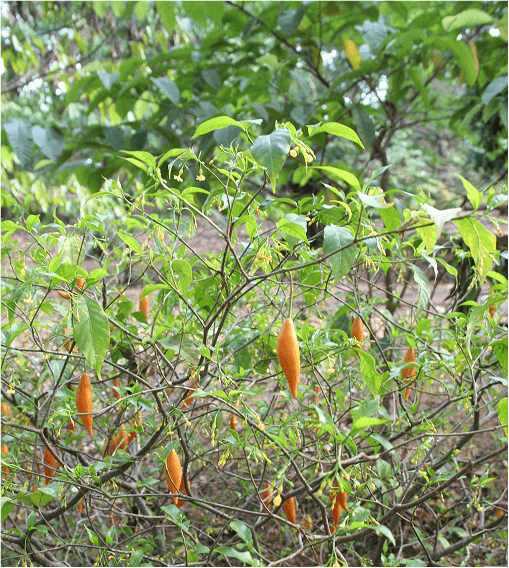
Ibogaine is a naturally occurring psychedelic extracted from the root bark of the Tabernanthe iboga shrub. For centuries, it has been used by the Bwiti people to heal the soul and bring accountability to the mind.
Today, Ibogaine remains Schedule I in the United States, making it illegal for clinical use and unregulated in Mexico, keeping it underground and not recognized in the medical system.
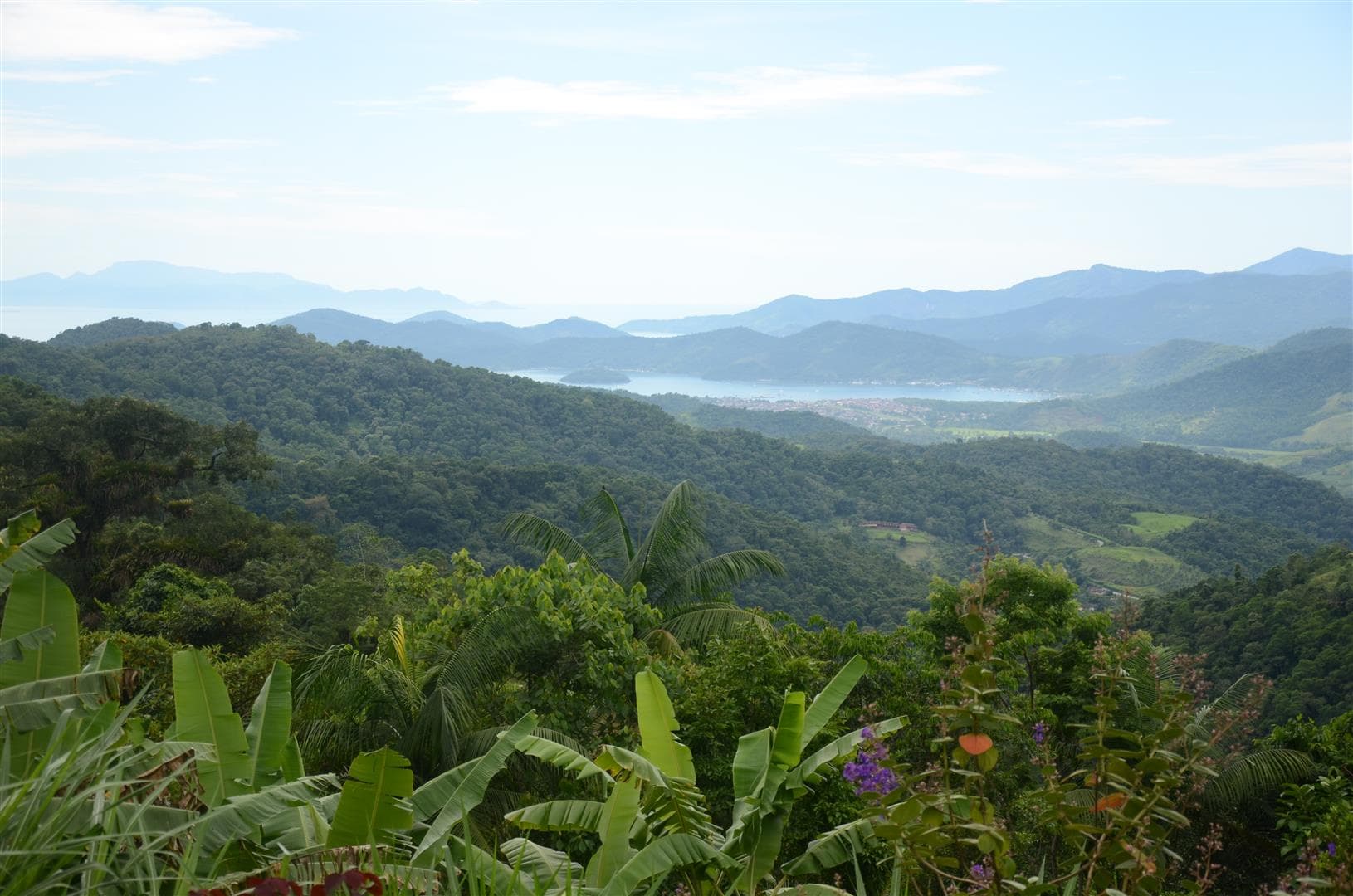
Brazil is among a handful of countries where ibogaine treatment is legal and actively being researched. Research is currently being considered in the U.S. to understand its effectiveness in treating addiction, including efforts supported by military veterans and policy makers in Texas.
What is Ibogaine used for?
Ibogaine is gaining recognition for its remarkable ability to heal the brain to address a range of complex conditions that are plaguing the mental health of citizens around the world:

Addiction & Dependence
Addiction is causing Chemical Brain Injury (CBI), the neurological damage from long-term substance use. It is not repaired in a single ibogaine treatment, but ibogaine and the alkaloids of iboga, given as full-spectrum ibogaine over weeks, have been shown to repair brain pathways distorted by chronic chemical exposure,¹⁵ ¹⁷ ⁴² ⁴⁴ where traditional psychiatry offers lifelong replacement drugs.

Trauma & Disconnection
Ibogaine therapy addresses the root of these patterns by interrupting recursive mental loops and offering a new, more complete, and compassionate perspective, often within just a few hours.

Personal & Spiritual Growth
Used for centuries in Bwiti tradition, ibogaine remains one of the most profound tools for introspection, maturation, and spiritual realignment. It recognized as a Rite of Passage in the traditional context and becoming so in modern society.
How does Ibogaine work in treating addiction?
Ibogaine is not simply a detox tool. It is a neurological, emotional, and spiritual reset that provides lasting relief and renewal from addictive behaviors.
Neurological
It addresses the biochemical roots of addiction via the dopamine, serotonin, opioid receptors, and NMDA pathways. It also boosts BDNF and GDNF, critical growth factors for neural regeneration.
Mental
Ibogaine therapy can bring what many feel is the most clearheaded, present, and healthy mental state of their entire lives and when in a supportive environment, this can translate to a whole new mental model for how a person sees themselves.
Physical
Ibogaine therapy dramatically reduces or eliminates opioid withdrawal symptoms starting at one hour;¹ upon completing the therapy, which can take 1–2 days, patients report complete freedom from physical withdrawal.
Spiritual
Many participants describe the experience as a “life review,” followed by deep catharsis and clarity, what we at Nekawa call the Window of Wonder (WoW), a 4–12 week period of elevated neuroplasticity and emotional clarity.
The future of Ibogaine therapy in modern medicine
As mental health crises rise and traditional pharmaceuticals fail to address root causes, Ibogaine offers a new frontier.
- It treats chemical brain injury caused by substance addiction at the level of the brain and soul
- It’s a non-addictive, natural alternative to pharmaceuticals that can offer relief from depression, PTSD and anxiety.
- It supports veterans, athletes, survivors with trauma through full spectrum healing that stretches the limitations of current medical science.
Ibogaine is more than a medicine. It is a transformational tool, a spiritual teacher, and a pathway back to wholeness.
Two approaches
Two ways to take Ibogaine
Ibogaine is one molecule, but it is given in two very different ways, and the difference matters more than most people realize.
Clinical ibogaine treatment
Hospital-based and built for detox: one large flood dose, followed by up to two small boosters. Most of the industry, and most of the published data, runs on this model.
Natural ibogaine treatment
Cumulative dosing: a traditional Bwiti iboga initiation with the root bark, then full-spectrum ibogaine one dose at a time, often 1.5 to 3 times more ibogaine than most centers that offer flood doses, spread across days. Highly individualized, with an ECG every dosing day. This is what Nekawa does.

Ibogaine Safety: Why Medical Care Is Essential
Ibogaine is safest with thorough screening, professional equipment and medical support. Our program offers natural ibogaine treatment led by spiritual guides and iboga facilitators, with a licensed medical team on hand and ECG monitoring during the experience. In Brazil, Nekawa is a leader in fully integrated ibogaine care, not just ibogaine treatment.
Clinics in unregulated countries like Mexico & Costa Rica are unable to match this standard.
Learn More About Our Safety Protocols
“Ibogaine is not a miracle and it is not for everyone. What it does is give you a window, and what you do with that window is the rest of your life.”
Charles D. Johnston, Co-Founder, Nekawa