Residents of Irvine, California who are researching ibogaine for addiction, trauma, or treatment-resistant depression are usually looking for a physician-prescribed, hospital-administered pathway — not an underground session. In the United States, ibogaine remains a Schedule I substance, so no licensed clinic in California can legally provide treatment today.
Nekawa is a wellness academy on Brazil's Costa Verde that coordinates travel, preparation, and integration for U.S. and Canadian residents. Treatment itself is prescribed and delivered by independent licensed Brazilian physicians in hospital settings regulated by ANVISA. This guide explains the legal context in California, what the Brazil pathway involves, and how Irvine residents typically travel to the clinic.
Why Irvine residents look outside the United States for ibogaine
Irvine sits in a region where fentanyl-contaminated supply and polysubstance use have reshaped who seeks ibogaine — often after MAT, detox, or residential programs have not held.
- Irvine's master-planned suburban character does not insulate Orange County from the statewide fentanyl mortality trend.
- California recorded 7,385 drug overdose deaths in 2024 (CDC NCHS / NVSS provisional data). Fentanyl-involvement breakdowns by state for 2024 are not yet finalized, so do not cite specific percentages.
- California Governor Gavin Newsom signed AB 1103 in October 2025, streamlining state approval for federally authorized clinical research involving Schedule I substances including ibogaine — research-enabling, not treatment-legalizing.
- Irvine residents considering ibogaine should understand that no clinic in California can legally administer treatment; the regulated pathway runs through Brazil.
Local treatment options near Irvine
Within roughly 25 miles of Irvine, SAMHSA's treatment locator lists approximately 98 facilities offering substance-use, detox, residential, buprenorphine, or methadone services. Those programs remain the appropriate first line for many people.
Ibogaine is not among the services any California facility can legally offer. Residents who have exhausted conventional options sometimes research international, physician-supervised pathways instead.
California's legal and policy posture on ibogaine
Ibogaine is a Schedule I controlled substance in the United States; treatment is not legally available in California.
- In October 2025 California Governor Gavin Newsom signed AB 1103 (Chapter 571), which streamlines the state's approval process for federally authorized clinical research involving Schedule I and II substances — including ibogaine, psilocybin, and MDMA. The bill takes effect January 1, 2026, and allows the state Research Advisory Panel to expedite review of qualifying studies through December 31, 2027.
- AB 1103 enables research, not treatment. No California resident can legally receive ibogaine treatment inside the United States as of 2026; the bill streamlines the path for FDA-authorized clinical trials to be conducted in California, but does not create a regulated treatment pathway.
- California is one of 18 US states tracked by the Americans for Ibogaine legislative initiative as actively pursuing ibogaine-relevant policy. Texas leads with a $50M dedicated research fund (SB 2308, 2025); California's posture is research-enabling rather than research-funding.
- Brazil is the world's leading country for physician-prescribed, hospital-administered ibogaine. Treatment is regulated by ANVISA (Brazil's federal health agency, the equivalent of the FDA), prescribed by licensed physicians, and delivered with full cardiac telemetry and hospital emergency infrastructure.
Traveling from Irvine to Paraty, Brazil
Most Irvine travelers fly from John Wayne Airport (SNA) to São Paulo (GRU) or Rio de Janeiro (GIG), then continue by private ground transport along the Costa Verde to Paraty. Nekawa coordinates airport pickup and the drive to the campus.
- Irvine-area travelers typically use John Wayne Airport (SNA) or LAX.
- From either GRU or GIG, it is a 4-hour drive along the BR-101 coastal highway to Paraty, on Brazil's Costa Verde. Nekawa arranges private ground transport from the airport.
- As of January 1, 2026, US travelers need an approved Brazilian eVisa to enter Brazil. The visa is applied for online at brazil.vfsevisa.com, costs US$80.90, and is typically issued within 72 hours. It is valid for 10 years with multiple entries of up to 90 days per stay. A US passport with at least six months of remaining validity is required.
What to expect at Nekawa
Nekawa is not a medical provider. The program includes a structured preparation course before travel, hospital-administered ibogaine under Brazilian physician supervision, and a 45-day integration curriculum after you return home.
Cardiac screening (including EKG), on-site physician oversight, and emergency hospital infrastructure are part of the medical protocol in Brazil — not optional add-ons.
Book a discovery call when you are ready to discuss whether this pathway fits your situation. There is no pressure to commit on the first conversation.
Where the jungle meets the sea
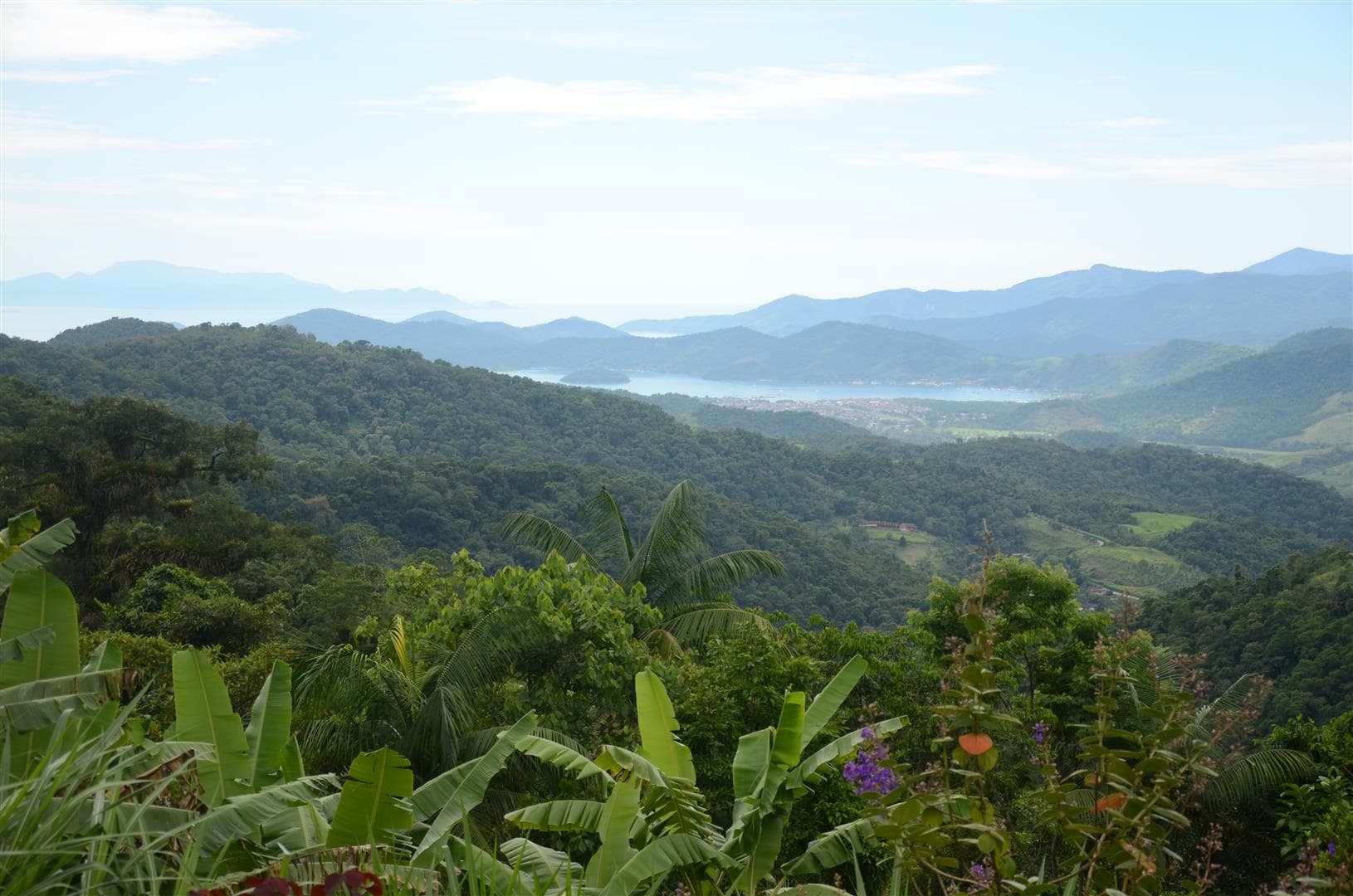
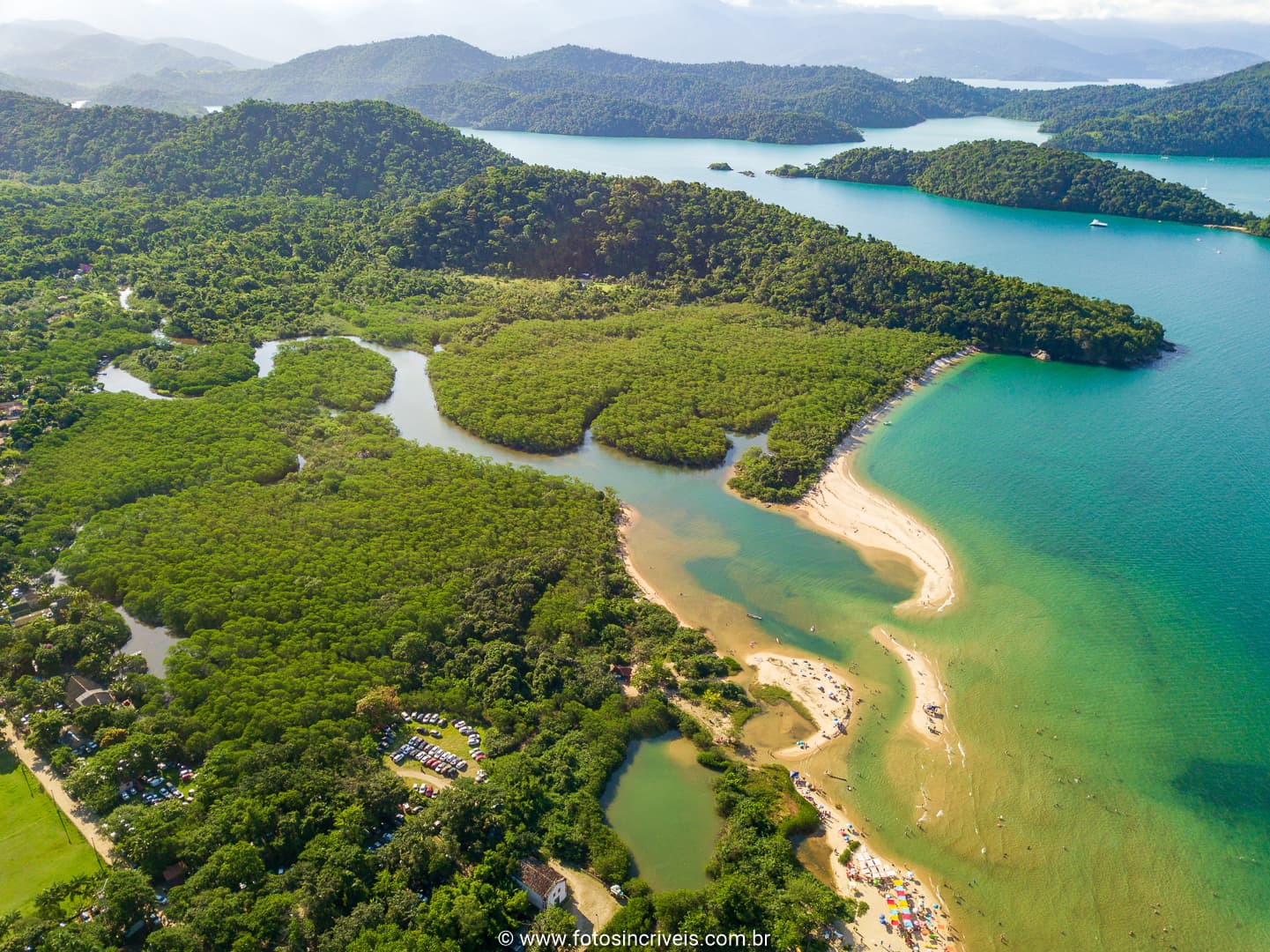
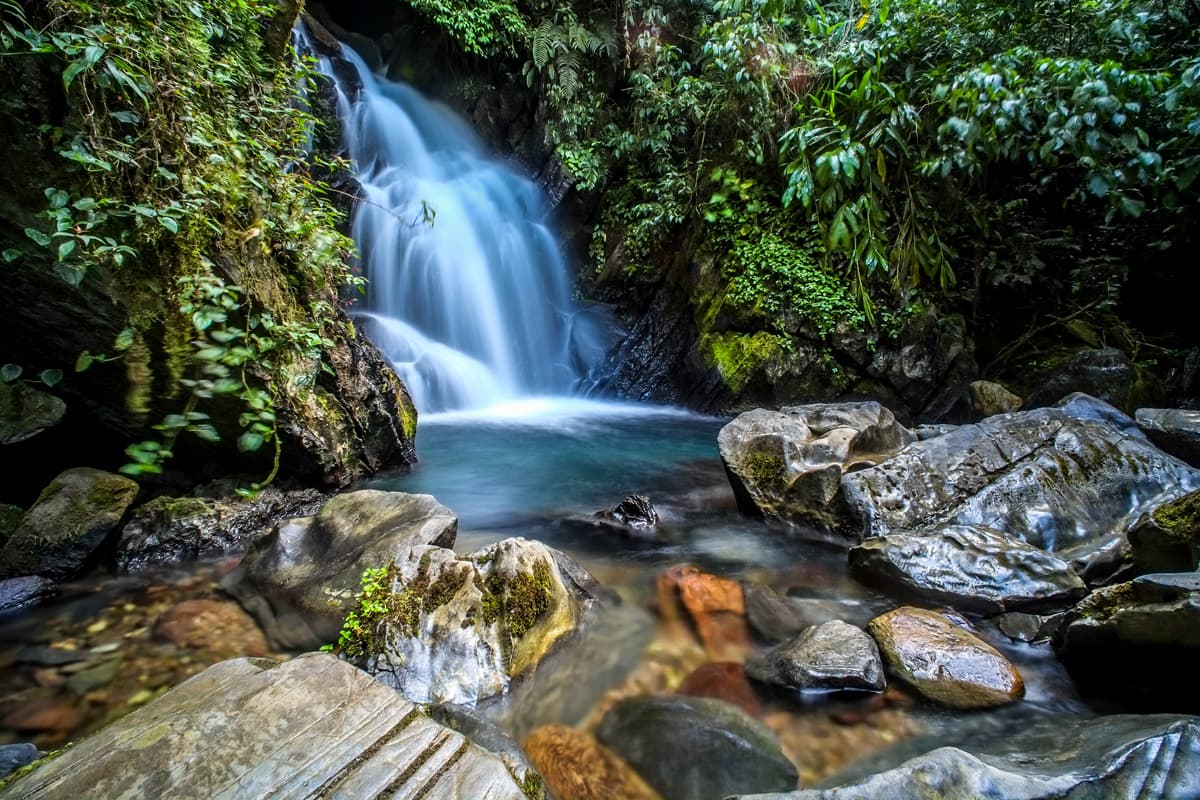
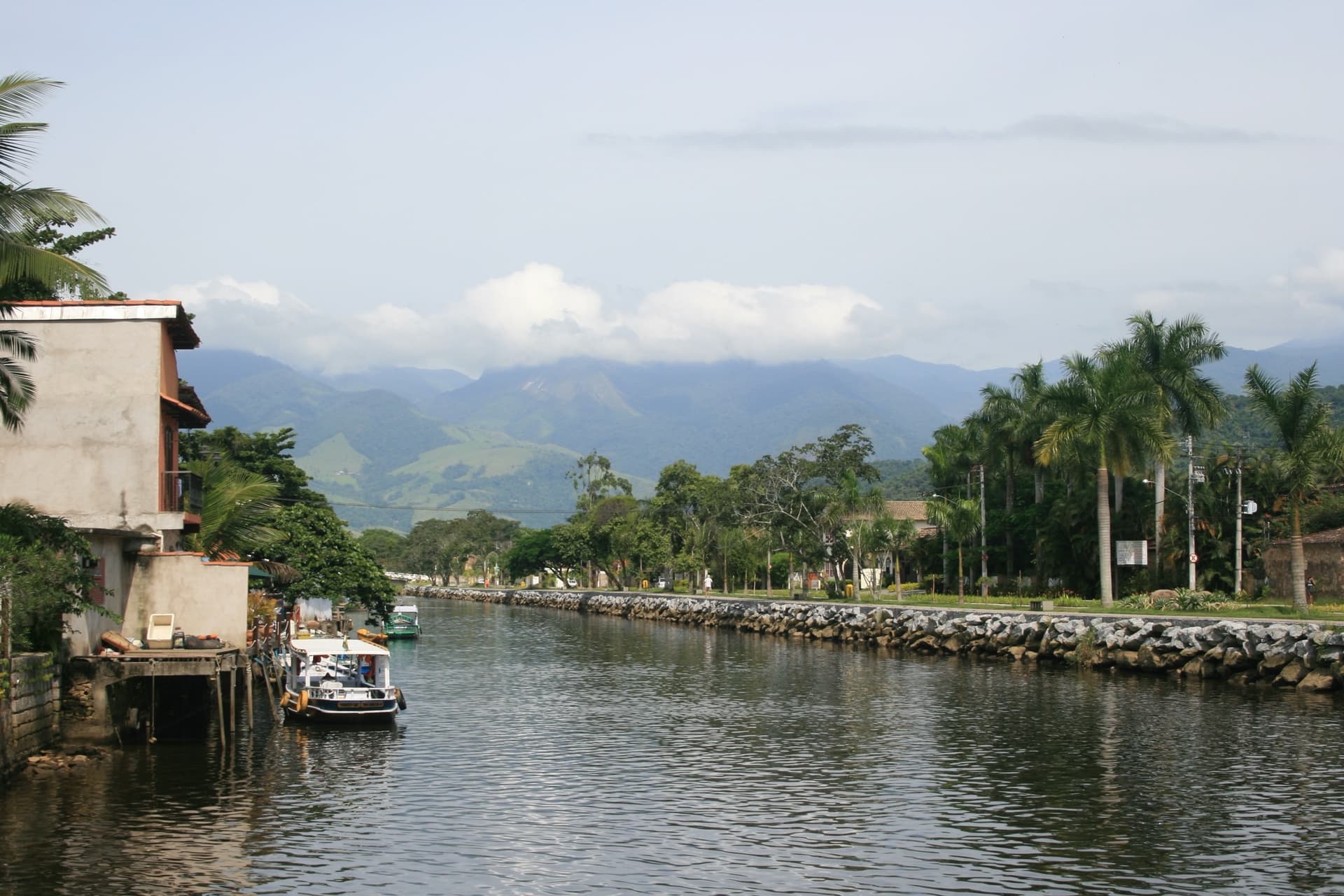
Nekawa sits in the Atlantic rainforest just outside the colonial port town of Paraty. Old-growth jungle, waterfalls, natural swimming pools, and a bay scattered with more than 300 forested islands. After Irvine, this is a different world.
Frequently asked questions
More questions? See our full FAQ.
Definitions
Plain-language definitions of the terms used on this page.
- Schedule I
- A US federal classification under the Controlled Substances Act for substances with no accepted medical use and high abuse potential. Ibogaine has been Schedule I since 1970, which means no clinic in the United States — public or private — can administer it.
- ANVISA
- Brazil's federal health agency, the Agência Nacional de Vigilância Sanitária — the functional equivalent of the US FDA. Regulates physician-prescribed, hospital-administered ibogaine treatment in Brazil under formal medical-use authorization.
- Window of Wonder
- The 2- to 12-week period of elevated neuroplasticity following an ibogaine session, during which the brain is more receptive to new patterns and integration work. Nekawa's 15-day on-site integration plus 45-day at-home coursework are structured around this window.
- eVisa (Brazilian)
- An electronic visa required for US travelers entering Brazil since January 1, 2026. Applied at brazil.vfsevisa.com, costs US$80.90, processes in roughly 72 hours, valid 10 years with multiple entries up to 90 days per stay.
- QT-interval
- A measurement on an electrocardiogram (EKG) of the time between ventricular depolarization and repolarization. Ibogaine prolongs the QT interval, which is why the prescribing physicians screen every patient with EKG and a comprehensive workup before clearing them for a session.
- Hospital-administered
- Refers to ibogaine treatment delivered in a hospital setting under continuous cardiac telemetry, ICU-trained nursing, and an on-site physician throughout — the regulated framework Brazil's prescribing physicians operate within. Distinct from retreat-style settings in countries without a federal regulatory pathway.
If you are a Irvine resident comparing options, start with the legal facts in California, then speak with our team about whether the Brazil pathway is appropriate for you.
Book a discovery call — no obligation.
A medical program in a setting that matters
The hospital protocol is the foundation. The setting is the second medicine. See the property, the rooms, the team, and the route in.
More cities in California
See the California state guide for statewide legal context.