
Ibogaine treatment for alcohol addiction resets the craving itself
Alcohol is the only drug you are expected to keep in the kitchen. Stopping it is not a test of character. Years of drinking retune the system that decides what you reach for, and it does not retune itself back just because you want it to. Ibogaine acts on that system. And in a culture that values alcohol, you have to begin valuing yourself: building an inner life of your own, so you can stand independent of the pressures around you.
Medical care connected to the program is provided by licensed medical professionals under their own licenses. See our medical disclaimer.
Excessive drinking kills about 178,000 people a year in the United States, roughly 488 every day.¹³
You have almost certainly already tried. A dry month. An app that counts drinks. A doctor who wrote a prescription you never filled. Ninety days that held right up until the wedding. None of that is evidence that something is wrong with you.
Alcohol is unusually hard to leave, partly because everyone around you keeps drinking, and partly because the standard medications are weaker than most people are told. Ibogaine works on the circuit that keeps pulling you back, which is a different proposition than trying harder inside a system that quietly expects you to fail.
Heavy drinking does not just occupy the reward system. It wears it down. Year after year, the dopamine signalling that makes ordinary things feel worth doing gets blunted, and the connections carrying it thin out. That is the flatness people describe long after the last drink: not sadness exactly, just nothing landing.
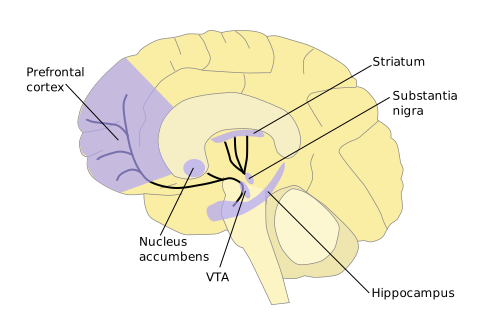
Ibogaine appears to push the other way. A single dose raises BDNF and GDNF, two growth factors the brain uses to build and repair those connections, and in the animal work that is the change that tracks the drop in drinking.¹⁷ The aim is a circuit that works again, not a chemical lid on one that does not.
“People come to us after ten or twenty years of trying to drink less. The problem was never that they did not try hard enough.”
Charles D. Johnston, Co-Founder, Nekawa
How Nekawa treats alcohol addiction
Ibogaine is not a detox drug for alcohol, and we will not sell it as one. Alcohol withdrawal is cleared first, under medical supervision, because that is the part that can kill you. Ibogaine is for everything that is left standing afterward: the craving, the flatness, and the pull that outlasts the last drink by months. In animals, ibogaine blocked relapse to alcohol triggered both by a taste of it and by the cues around it.¹⁸
What ibogaine appears to do, it does by growing the circuit back rather than blocking it. A single dose raises BDNF across the reward system and lifts GDNF in the ventral tegmental area, the same growth factor that carried the drop in drinking in the animal work.¹⁷
We will also be straight with you about the evidence. Most of what is known about ibogaine and alcohol comes from animals. The human record is thin: one published case report, and that man also received a second compound in the same program, so ibogaine cannot be isolated as the cause. A Phase 2 trial in alcohol use disorder finished in Brazil in 2024 and its results have still not been published.¹⁹
Before any of that, we screen. Bloodwork, liver function, and a cardiac workup including an ECG. Heavy drinkers are precisely the group most likely to be carrying quiet liver damage, and a compromised liver is the risk factor that keeps appearing in the deaths on record. We turn people away when the numbers tell us to. A clinic that will not tell you no is not a clinic. How ibogaine works →

Why alcohol is so hard to stop
Alcohol has no single receptor to blame. It leans on GABA, the brain's brake, and it holds down glutamate, the accelerator. Drink heavily for long enough and the brain compensates by weakening the brake and strengthening the accelerator, until being sober is what feels wrong. That is why the first drink of the day stops being a pleasure and starts being a relief.
Underneath that, the dopamine circuit that decides what is worth wanting has been trained, and it does not untrain on a schedule. In rats selectively bred to drink heavily, a single dose of ibogaine cuts alcohol intake in a dose dependent way.¹⁶
That effect appears to run through GDNF, a growth factor, in a midbrain region called the ventral tegmental area. Ibogaine injected directly into that region reduced ethanol self-administration on its own, which points toward repair of the reward circuit rather than a chemical lid held down on top of it.¹⁵
There is a harder fact that belongs on this page rather than in the fine print. Years of drinking damage the liver, and the liver is what clears ibogaine from your body. In the fatal cases reported in the literature, pre-existing cirrhosis and fatty liver turn up again and again, including a man in his fifties with a twenty year history of alcohol use disorder.²⁰ Is ibogaine safe? →
Your ibogaine treatment for alcohol pretox protocol
Minimizing Withdrawals
What's included in your program
- Full medical screening before acceptance: bloodwork, liver function, and cardiac workup with ECG
- Medically supervised alcohol withdrawal, post-DTs, where physical dependence is present
- Natural detox support: plant-derived teas and oils for calm, sleep, and nervous system recovery
- Natural ibogaine treatment led by spiritual guides and iboga facilitators, with a licensed medical team on hand
- Preparation and integration support with trained psychotherapists
- Pre-treatment Ayurvedic cleansing protocol (sweat, colonics, nutrition, exercise)
- Post-treatment integration support for months, not days, during the Window of Wonder (WoW)
- Accommodations at our luxury rainforest center for the full program
- BDNF stimulation protocols for faster neural repair
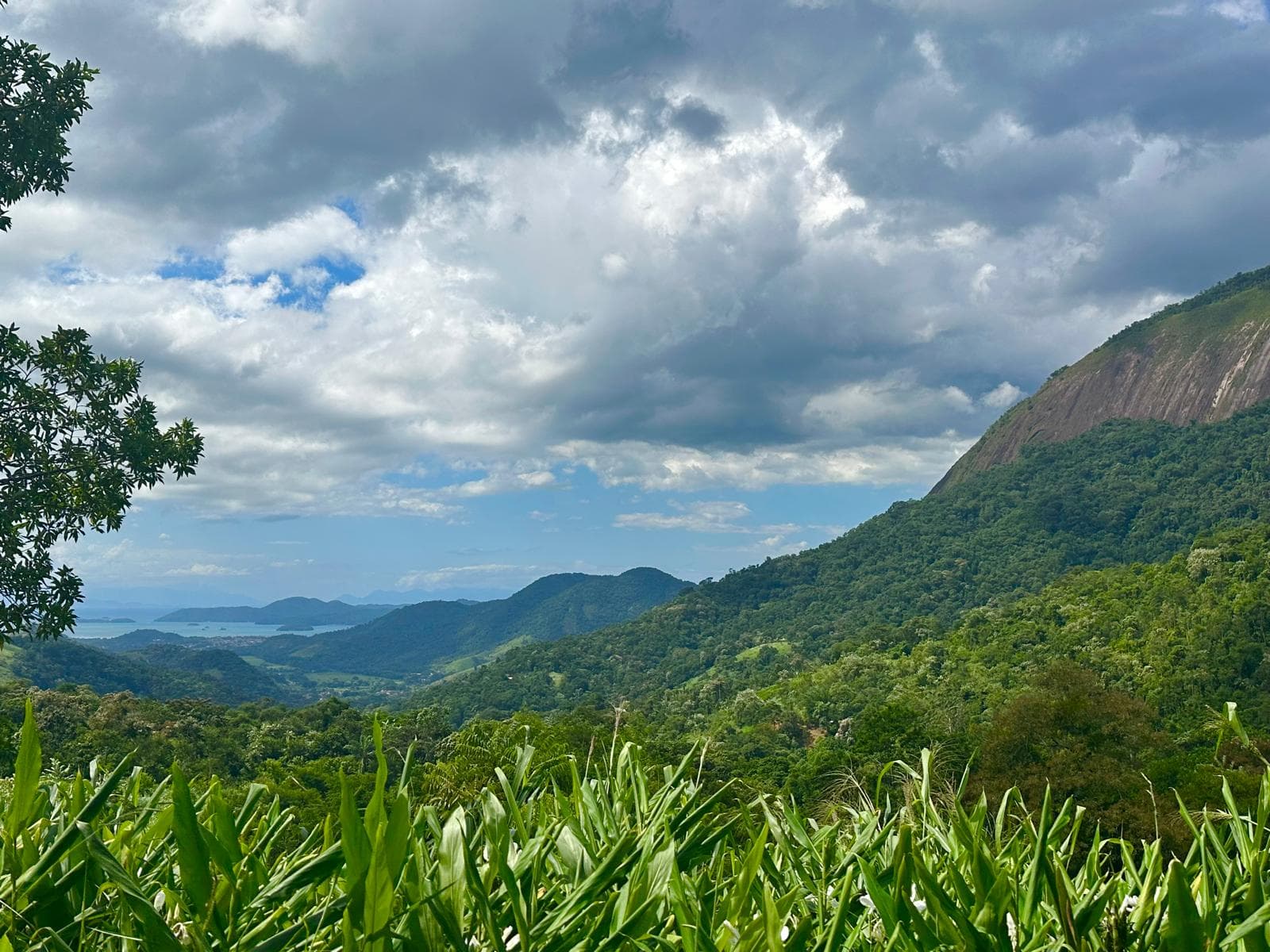
- Nature immersion: rainforest, ocean, and mountain
Suggested Programs
Alcohol is the one substance where the pretox length is decided by your body rather than your preference. If you are physically dependent, withdrawal has to be cleared under supervision before ibogaine, and the liver needs time. These are the programs most alcohol students choose.
28 days
28-Day Program
Suited to heavy drinkers who are not physically dependent, with liver and cardiac markers in range. Enough time to cleanse, complete ibogaine treatment, and begin integration.
Learn more →6, 8 or 12 weeks
Advanced Program
The most common path for alcohol. Room for supervised withdrawal, a proper washout, liver recovery, and real integration time, in a 6, 8, or 12-week format matched to how long you have been drinking.
Learn more →
Ibogaine vs. conventional treatment
Naltrexone and acamprosate are the two first-line medications for alcohol use disorder. Antabuse works differently: it makes you violently sick if you drink.
Alcohol kills more people in the United States than every illicit drug combined, and almost nobody calls it an epidemic. Deaths from excessive drinking now average about 178,000 a year, which is roughly 488 people a day. That figure climbed 29% from where it stood only four years earlier.¹³
The treatment side is worse than the death toll suggests. Around 28 million Americans meet the criteria for alcohol use disorder. Fewer than 8% receive any treatment at all in a year, and only about one in forty receives medication for it. When medication is prescribed, the pooled trial data are honest about its limits: acamprosate and naltrexone help, but modestly, and disulfiram does not beat placebo.¹⁴
Only about 2.5% of people with alcohol use disorder receive any medication for it.
How ibogaine addresses this substance
Ibogaine works across four neurological and psychological dimensions, each specific to how this substance affects the brain.
Dopamine Reset
Long-term drinking flattens the reward system until alcohol is the only thing that reliably registers. Ibogaine acts on that circuit rather than sitting on top of it, and students describe ordinary things starting to land again: food, music, mornings. It is not euphoria. It is the return of a baseline that drinking took away.
Craving Interruption
The craving for a drink is not really about the drink. It is a learned loop, fired by a time of day, a room, a feeling. In animal work, ibogaine blocked relapse driven both by a taste of alcohol and by the cues surrounding it. Most students describe the loop going quiet rather than being resisted.
Neural Regeneration
A single dose of ibogaine raises BDNF and GDNF, two growth factors that support repair in the reward and decision-making circuits alcohol wears down. This is the mechanism that separates ibogaine from a daily blocker: the aim is a circuit that works again, not a lid held down on one that does not.
Root Cause
Almost nobody drinks that hard for no reason. The ibogaine experience tends to surface what the drinking has been managing, often material people have spent years not looking at. That is uncomfortable, and it is also the point. Integration afterward is what turns a hard night into a change that holds.
Bill W. said the drinking was only the symptom
Our liquor was but a symptom. So we had to get down to causes and conditions.
Alcoholics Anonymous has held for almost a century that the drink is not the disease, and that whatever answer exists has to reach deeper than behavior. Bill Wilson meant something specific by a spiritual answer. Not religion, and not sentiment, but an experience powerful enough to change the person having it.
He went further looking for it than most people know. In 1956, more than twenty years sober, Wilson began taking LSD under medical supervision, because he suspected a chemically occasioned experience might open the same door that recovery depended on. He was careful about what he claimed. Writing in 1958, he said it had no "miraculous property of transforming spiritually and emotionally sick people into healthy ones overnight," and called it "only a temporary ego-reducer." What he thought it could offer was an incentive: a glimpse of the thing worth getting sober for. AA as an organization was largely against him on this, and he eventually stopped.
We think he was asking the right question, and we are not going to answer it more confidently than the evidence allows. Ibogaine reliably produces an experience people describe as among the most significant of their lives. In a study of 44 people treated for opioid dependence, not alcohol, 43% met the formal criteria for a complete mystical experience.²¹ We do not present that as salvation, and we do not promise it to anyone. It is a long and frequently difficult look at your own life. What makes it matter is what you do in the months afterward, which is why integration is the part of our program we take most seriously.
Ibogaine aftercare is the best way to ensure long-term success

Citations (9)
[13] Esser MB, Sherk A, Liu Y, Naimi TS (2024). Deaths from Excessive Alcohol Use — United States, 2016–2021. MMWR Morbidity and Mortality Weekly Report, 73(8), 154–161. Read the source →
CDC surveillance report estimating an average of 178,307 deaths per year from excessive alcohol use in the United States during 2020–2021, roughly 488 deaths a day, and a 29% increase over the 2016–2017 average.
[14] McPheeters M, O’Connor EA, Riley S, et al. (2023). Pharmacotherapy for Alcohol Use Disorder: A Systematic Review and Meta-Analysis. JAMA, 330(17), 1653–1665. Read the source →
Meta-analysis of 118 trials and 20,976 participants. Acamprosate showed a number needed to treat of 11 and oral naltrexone 18 to prevent one person returning to any drinking. Injectable naltrexone showed no significant effect on return to any drinking, and disulfiram did not outperform placebo.
[15] He DY, McGough NN, Ravindranathan A, Jeanblanc J, Logrip ML, Phamluong K, Janak PH, Ron D (2005). Glial Cell Line-Derived Neurotrophic Factor Mediates the Desirable Actions of the Anti-Addiction Drug Ibogaine against Alcohol Consumption. The Journal of Neuroscience, 25(3), 619–628. Read the source →
Rodent study identifying GDNF signalling in the ventral tegmental area as the mechanism through which ibogaine reduces alcohol intake, including in a relapse model. Ibogaine injected directly into the VTA produced dose-dependent reductions in ethanol self-administration.
[16] Rezvani AH, Overstreet DH, Perfumi M, Massi M (2003). Plant derivatives in the treatment of alcohol dependency. Pharmacology Biochemistry and Behavior, 75(3), 593–606. Read the source →
Review reporting that ibogaine suppresses alcohol intake in a dose-dependent way in rat strains selectively bred for heavy drinking and relapse-like ethanol consumption.
[17] Marton S, González B, Rodríguez-Bottero S, et al. (2019). Ibogaine Administration Modifies GDNF and BDNF Expression in Brain Regions Involved in Mesocorticolimbic and Nigral Dopaminergic Circuits. Frontiers in Pharmacology, 10, 193. Read the source →
Rodent study showing that a single dose of ibogaine raises BDNF expression in the nucleus accumbens, substantia nigra, and prefrontal cortex, and selectively raises GDNF in the ventral tegmental area at the dose range effective in self-administration models.
[18] Henriques GM, Anjos-Santos A, Rodrigues IR, et al. (2021). Ibogaine Blocks Cue- and Drug-Induced Reinstatement of Conditioned Place Preference to Ethanol in Male Mice. Frontiers in Pharmacology, 12, 739012. Read the source →
Rodent study reporting that oral ibogaine blocked both drug-primed and cue-induced reinstatement of ethanol conditioned place preference, at doses that produced no rewarding effect on their own.
[19] Barsuglia JP, Polanco M, Palmer R, Malcolm BJ, Kelmendi B, Calvey T (2018). A case report SPECT study and theoretical rationale for the sequential administration of ibogaine and 5-MeO-DMT in the treatment of alcohol use disorder. Progress in Brain Research, 242, 121–158. Read the source →
Single case report of a man with moderate alcohol use disorder treated with ibogaine followed by 5-MeO-DMT. He reported improved mood, cessation of drinking, and reduced cravings at five days and one month, with a partial return to mild drinking by two months. Because two compounds were given, ibogaine cannot be isolated as the cause.
[20] Koenig X, Hilber K (2015). The Anti-Addiction Drug Ibogaine and the Heart: A Delicate Relation. Molecules, 20(2), 2208–2228. Read the source →
Review of ibogaine cardiac risk, including QT prolongation and arrhythmia. Documents a fatality in a 52-year-old man with a 20-year history of alcohol use disorder in whom postmortem examination found hepatic cirrhosis and steatosis alongside coronary artery sclerosis, supporting pre-existing liver disease as a significant risk factor and pre-treatment liver function testing as essential screening.
[21] Brown TK, Noller GE, Denenberg JO (2019). Ibogaine and Subjective Experience: Transformative States and Psychopharmacotherapy in the Treatment of Opioid Use Disorder. Journal of Psychoactive Drugs, 51(2), 155–165. Read the source →
Observational study of 44 people undergoing ibogaine treatment for opioid dependence, in which 43% met criteria for a complete mystical experience on the Altered States of Consciousness questionnaire. The cohort was opioid-dependent, not alcohol-dependent.