Ibogaine treatment for cocaine and crack
Cocaine empties out the reward system until nothing else registers, and the only thing that lifts the flatness is more of it. Ibogaine acts on that system directly rather than on the behavior around it. It also asks something of you first: 28 days completely off, because cocaine and ibogaine interfere with the same channel in the heart.
Medical care connected to the program is provided by licensed medical professionals under their own licenses. See our medical disclaimer.
There is no approved medication for cocaine dependence. Anywhere in the world, there never has been.²⁸
Cocaine does not put you through the kind of withdrawal that lands people in an emergency room. That is exactly why it gets underestimated, and why people who cannot stop are so often told they simply are not trying hard enough.
What cocaine and crack do instead is flatten the reward system until nothing else registers. The crash is not dramatic. It is grey, and it is heavy, and the fastest way out of it is the thing that caused it. That loop is what ibogaine interrupts.
“With cocaine, people do not usually arrive in physical agony. They arrive flat. Nothing works anymore, and that is its own kind of desperate.”
Charles D. Johnston, Co-Founder, Nekawa
How ibogaine treatment for cocaine works at Nekawa
The most useful evidence for treating cocaine with ibogaine did not come out of a laboratory. It came out of São Paulo. In 2014 a team led by Eduardo Schenberg, working with the physician Bruno Rasmussen Chaves, published a review of 75 people treated here in Brazil for dependence on alcohol, cannabis, cocaine and crack. Because ibogaine is unregulated in this country, none of it happened underground. It was supervised by a doctor and paired with psychotherapy, which is the whole reason the outcomes are worth anything.³⁴
Now the limits, because they matter and we would rather say them than have you find them. The study looked backwards at people who had already been treated instead of assigning anyone at random, and there was no comparison group, so it cannot prove ibogaine caused the abstinence. The abstinence was self-reported. Nearly three quarters were using more than one substance, so this is not a clean cocaine-only result. A controlled trial of ibogaine for cocaine has still never been run anywhere. What this is, is the strongest real-world evidence that exists for stimulants, and it is Brazilian.
The animal work points the same direction. A single dose of ibogaine cut cocaine self-administration in dependent rats for more than 48 hours, and weekly dosing held longer than daily dosing did.³² That is rodent data from 1993, and we mention it because it agrees with what São Paulo saw, not because it proves anything on its own.
What makes that study the right one to build on is that its conditions are our conditions: the same country, the same legal footing, a licensed physician overseeing the treatment, and real psychological work wrapped around it rather than a session sold on its own. Its authors did not conclude that ibogaine cures anything. They concluded that ibogaine given this way can open long stretches of abstinence without serious harm. That is the claim we make too, and what decides whether the stretch holds is the 28 days before it and the months of integration after. How ibogaine works →

Why cocaine and crack are so hard to put down
Cocaine works by jamming the door that dopamine normally leaves through. Ordinarily your brain releases dopamine, registers the signal, then clears it away. Cocaine blocks that clearing, so dopamine keeps piling up in the synapse. That flood is the high, and because it is far larger than anything ordinary life produces, the brain reads it as the most important thing that has ever happened.
Then it adapts. Faced with repeated floods, the reward system dials itself down, pruning receptors and cutting its own dopamine output to compensate. The result is a moving target: the same amount does less, and everything that is not cocaine does less too. Food, sex, work, your own children. This is the flatness people describe, and it is a physical change, not a mood.
Crack is the same molecule delivered faster. Smoking it puts cocaine into the brain within seconds rather than minutes, and the sharper the spike, the harder the crash behind it. That is why crack tends to compress the whole cycle into something that runs in hours instead of days, and why it builds a dependency that is harder to interrupt. Chemically it is the same problem. Practically it is a steeper one.
And there is a second thing happening while all of this goes on, quieter and more dangerous. Cocaine is also acting on the heart. It blocks a potassium channel called hERG, one of the channels that resets the heart's electrical charge between beats.³¹ Block it and the reset takes longer, which is what a prolonged QT interval means on an EKG, and a longer QT is a known risk factor for dangerous arrhythmias. Give habitual users cocaine under controlled conditions and you can watch the QTc stretch.²⁹ Crack does the same thing through the same channel, faster.
That is the detail that shapes this entire page, because ibogaine inhibits that same channel.²⁰ Two things pulling on one mechanism in the heart is the risk we are managing, and it is the reason our timeline for cocaine is longer than most. Read how we handle the cardiac side of ibogaine
Your 28 days before an ibogaine treatment
Getting Clear
What's included in your program
- Natural ibogaine treatment with spiritual guides and medical oversight
- Full cardiac screening, including EKG, before the session is approved
- Preparation and integration support with psychedelic-experienced psychologists
- A structured 28-day plan for arriving genuinely clear of cocaine
- Pre-treatment Ayurvedic cleansing protocol (sweat, colonics, nutrition, exercise)
- Post-treatment integration support for months, not days, during the Window of Wonder (WoW)
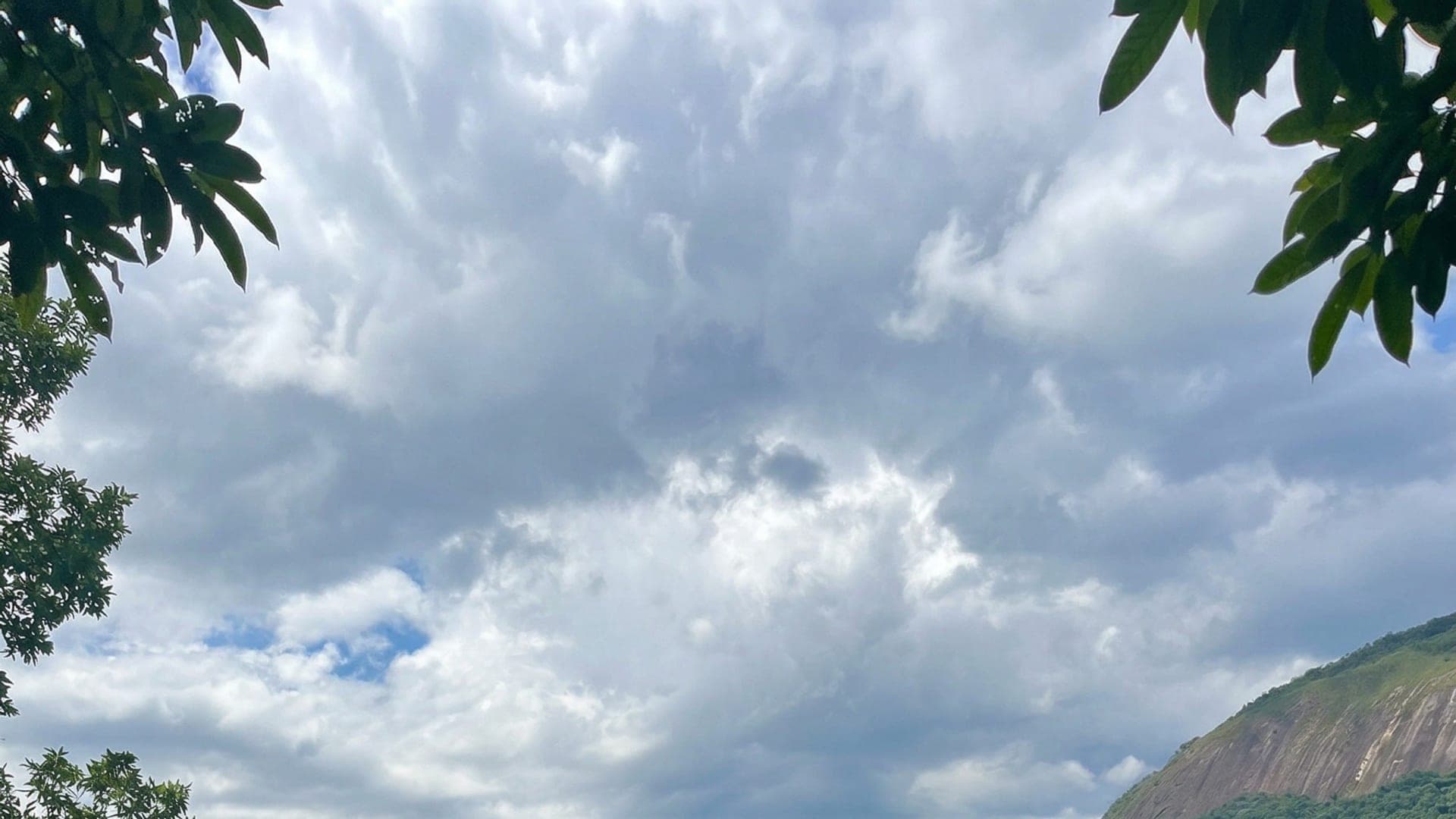
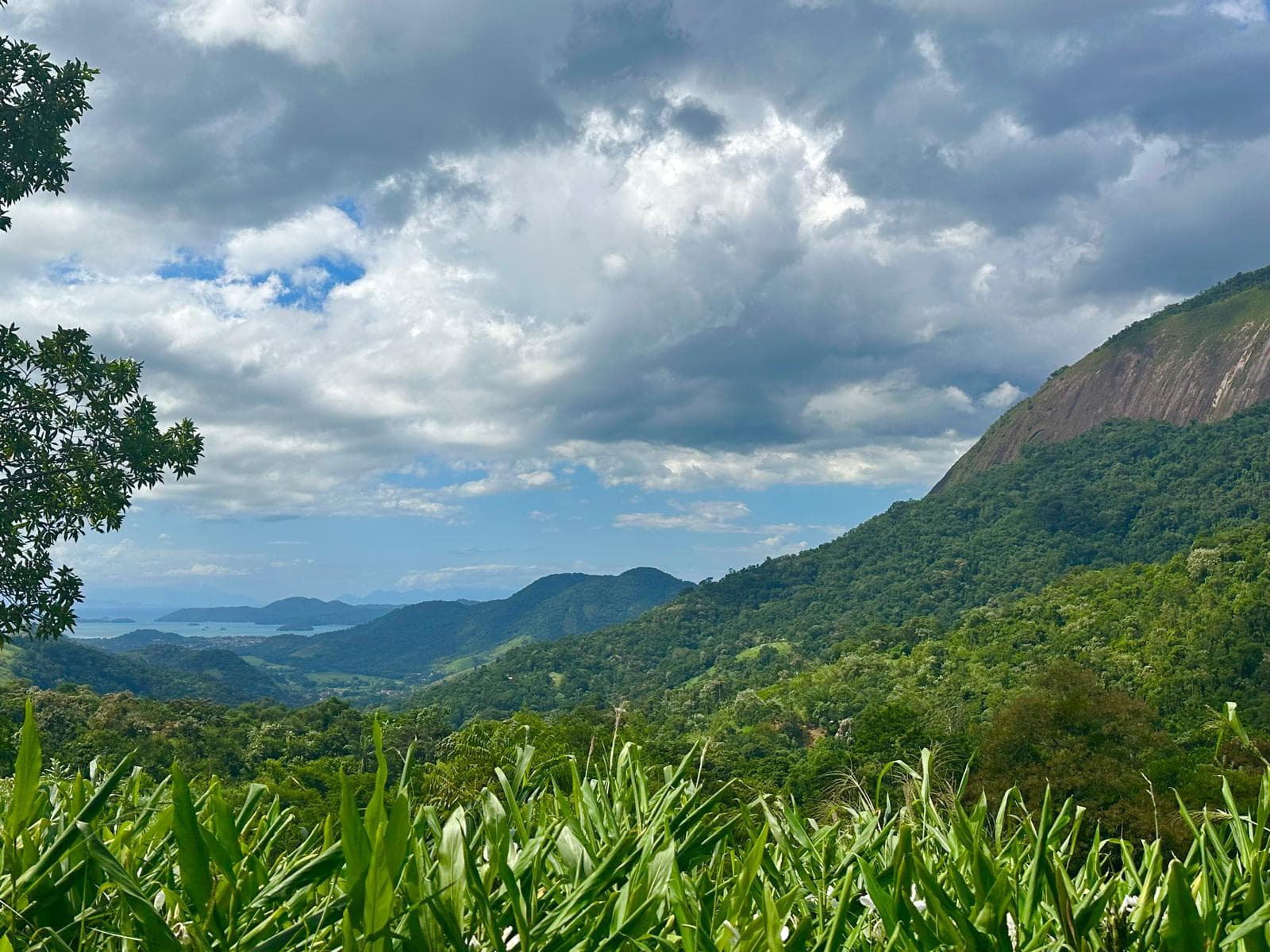
- Accommodations at our rainforest center for the full program, with nature immersion: rainforest, ocean, and mountain
Suggested Programs
The 28 days off cocaine happen before the session, so the question is how much room you want around it. Most people who come to us for cocaine or crack fit one of these.
28 days
28-Day Program
A full reset in four weeks: arriving clear, the session, and the first stretch of integration, where the quiet the treatment opens gets turned into something structural.
Learn more →6, 8 or 12 weeks
Advanced Program
More room on both sides of the session. Worth considering for long-term crack use, for heavy use alongside alcohol or opioids, or where the reward system has been flat for years and needs longer to come back up.
Learn more →
How ibogaine addresses this substance
Ibogaine works across four neurological and psychological dimensions, each specific to how this substance affects the brain.
Reward Recalibration
Years of cocaine leave the dopamine system running below its own baseline, which is why everything feels flat without it. Ibogaine acts on that system directly, and most students describe ordinary things registering again afterward: food, music, conversation, mornings.
Craving Interruption
Cocaine relapse is driven by cues, not by physical need. A street, a song, a certain hour of the night. Ibogaine disrupts the default-mode-network patterns those associations run on, and the quiet that follows is what gives new routines somewhere to take hold.
Root-Cause Clarity
Cocaine is often doing a job: holding up a work life, covering exhaustion, managing something underneath that has never been looked at. The session tends to surface both the original wound and what the drug has cost since. Seeing it plainly does not resolve it, but it changes what you are working with.
Neural Repair
Ibogaine stimulates growth factors involved in repairing the pathways that heavy stimulant use wears down. We pair the session with rest, nutrition, and months of integration so that repair has the conditions it needs to hold.
The coca leaf and cocaine are not the same thing
People hear coca and think cocaine. In the Andes it is closer to what coffee is to us, and it has been used that way for thousands of years without producing anything like this.
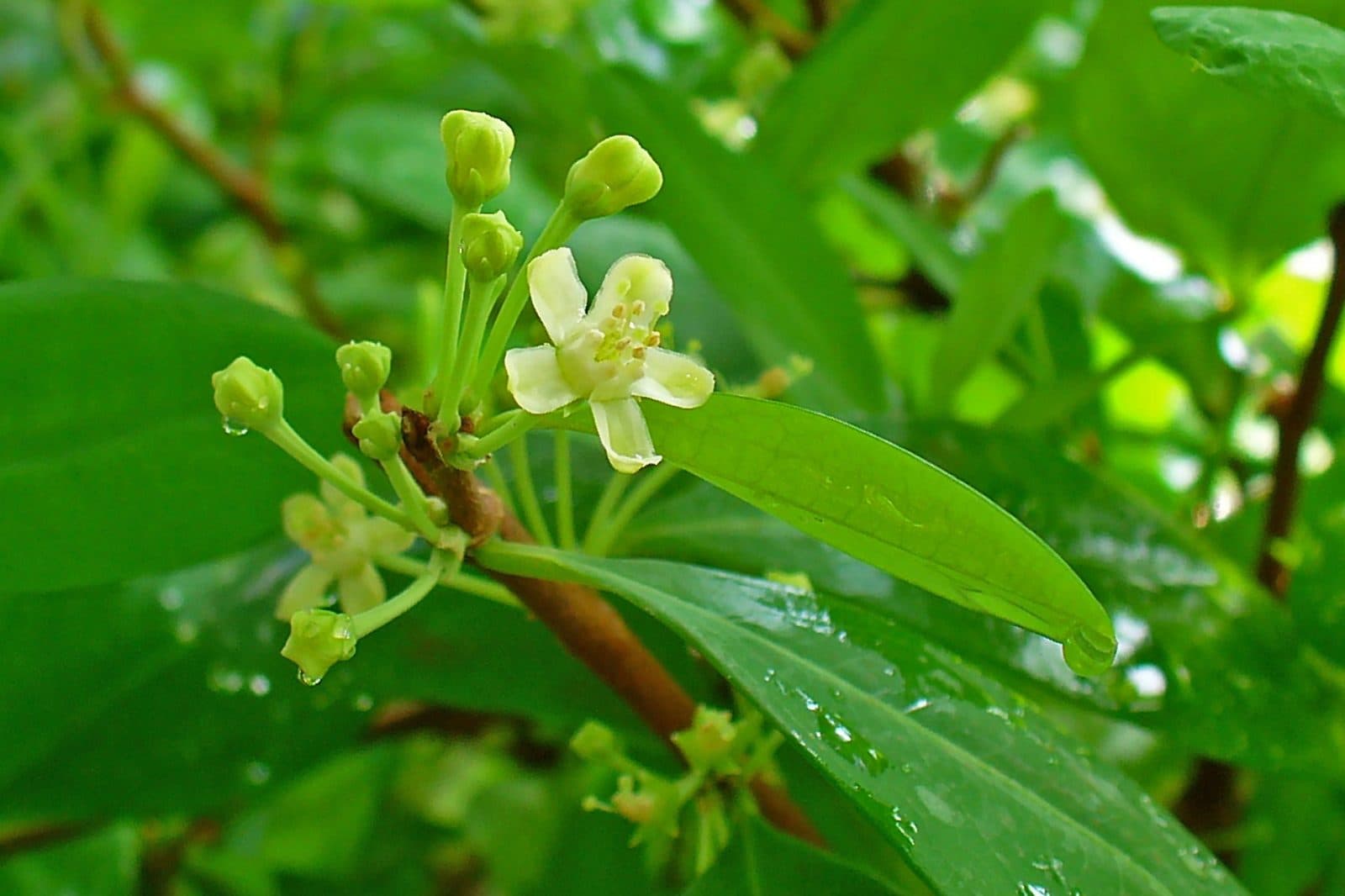
Coca, Erythroxylum coca, has been grown and used in the Andes for millennia. The leaf is chewed with a little lime or brewed as tea, and it does what a mild stimulant does: steadies you at altitude, dulls hunger on a long day, keeps you working. The alkaloid content of a leaf is under one percent, and it enters the body slowly through the cheek or the stomach. There is no spike, so there is no crash to chase.
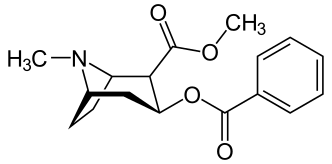
Cocaine is what happens when that leaf is stripped down to the single molecule and delivered fast. Isolated in the 1850s, concentrated hundreds of times over, and taken by a route that reaches the brain in minutes or, with crack, in seconds. The plant became a product, and the thing that made it usable for centuries, its slowness, was engineered out of it. Crack is the end of that line: the same molecule, arriving as fast as chemistry allows.
We are not making a romantic point here, and we are not suggesting anyone go looking for coca leaf. The reason it belongs on this page is that it separates the substance from the story people carry about themselves. What has a hold on you is not an ancient plant and it is not a personal failing. It is a concentrate built to hit the reward system harder than the system was ever built to handle.
Ibogaine aftercare is the best way to ensure long-term success
Citations (8)
[20] Koenig X, Hilber K (2015). The Anti-Addiction Drug Ibogaine and the Heart: A Delicate Relation. Molecules, 20(2), 2208–2228. Read the source →
Review of ibogaine cardiac risk, including QT prolongation and arrhythmia. Documents a fatality in a 52-year-old man with a 20-year history of alcohol use disorder in whom postmortem examination found hepatic cirrhosis and steatosis alongside coronary artery sclerosis, supporting pre-existing liver disease as a significant risk factor and pre-treatment liver function testing as essential screening.
[28] Substance Abuse and Mental Health Services Administration (2021). Treatment for Stimulant Use Disorders (Treatment Improvement Protocol 33). SAMHSA Publication No. PEP21-02-01-004, Rockville, MD. Read the source →
There are no FDA-approved pharmacologic treatments for stimulant use disorders, including cocaine. Behavioral approaches, principally contingency management and cognitive behavioral therapy, remain the front-line treatment.
[29] Magnano AR, Talathoti NB, Hallur R, Jurus DT, Dizon J, Holleran S, Bloomfield DM (2006). Effect of acute cocaine administration on the QTc interval of habitual users. The American Journal of Cardiology, 97(8), 1244–1246. Read the source →
In habitual cocaine users given cocaine under controlled conditions, electrocardiograms showed significant prolongation of the QTc interval after administration (p < 0.001).
[30] Levin KH, Copersino ML, Epstein D, Boyd SJ, Gorelick DA (2008). Longitudinal ECG changes in cocaine users during extended abstinence. Drug and Alcohol Dependence, 95(1–2), 160–163. Read the source →
Weekly ECGs from 25 chronic cocaine users during up to three months of monitored abstinence on a closed ward. QTc shortened significantly (about 10.5 ms) during the first week of abstinence, with no further significant change afterward, and baseline QTc correlated with how much cocaine had been used beforehand. The authors conclude that cocaine-associated QTc prolongation returns toward normal within roughly the first week off cocaine.
[31] Ferreira S, Crumb WJ Jr, Carlton CG, Clarkson CW (2001). Effects of cocaine and its major metabolites on the HERG-encoded potassium channel. Journal of Pharmacology and Experimental Therapeutics, 299(1), 220–226. Read the source →
Cocaine and several of its metabolites block the HERG-encoded potassium channel, which governs cardiac repolarization. This is the same channel ibogaine inhibits, and it is the mechanism behind cocaine-associated QT prolongation.
[32] Cappendijk SLT, Dzoljic MR (1993). Inhibitory effects of ibogaine on cocaine self-administration in rats. European Journal of Pharmacology, 241(2–3), 261–265. Read the source →
A single dose of ibogaine reduced cocaine self-administration in cocaine-dependent rats for more than 48 hours, and weekly dosing across three weeks produced a more pronounced and durable reduction than daily dosing. Preclinical (animal) evidence.
[33] Binienda Z, Beaudoin MA, Thorn BT, Sadovova N, Skinner RD, Slikker W Jr, Ali SF (2000). Application of electrophysiological method to study interactions between ibogaine and cocaine. Annals of the New York Academy of Sciences, 914(1), 387–393. Read the source →
Electrocorticographic recordings in rats given high-dose ibogaine before cocaine. The combination altered brain electrical activity and dopamine levels in ways that have been read as a possible lowering of the seizure threshold. Preclinical (animal) evidence at doses far above human treatment levels.
[34] Schenberg EE, de Castro Comis MA, Chaves BR, da Silveira DX (2014). Treating drug dependence with the aid of ibogaine: a retrospective study. Journal of Psychopharmacology, 28(11), 993–1000. Read the source →
Retrospective review of 75 people treated with ibogaine in Brazil for dependence on alcohol, cannabis, cocaine and crack, 72% of them polysubstance users, under physician supervision and combined with psychotherapy. 61% were abstinent at follow-up. Median abstinence was 5.5 months after a single treatment and 8.4 months where treatment was repeated, both significantly longer than the abstinence achieved before ibogaine (p < 0.001). No fatalities and no serious adverse reactions were observed. Retrospective and uncontrolled, with self-reported abstinence, so it is real-world outcome data rather than trial evidence.