
Ibogaine treatment for prescription opioids, for a dependence that started at the pharmacy
Most people who become dependent on oxycodone, hydrocodone, or morphine did not go looking for it. It started with a prescription for real pain, and the dependence built quietly from there. Ibogaine treatment for prescription opioids works on the same opioid receptors those medications act on, aiming to reset the dependence rather than manage it. Most students tell us their withdrawal eased sharply within the first hours of their session.
Medical care connected to the program is provided by licensed medical professionals under their own licenses. See our medical disclaimer.
Overdose deaths from prescription opioids climbed from about 3,400 in 1999 to roughly 17,000 at their 2017 peak, the first wave of the opioid epidemic²
If your dependence started with a legitimate prescription, you may carry a particular kind of confusion about it. You followed the instructions, and it still turned into this. That is not a moral failing. These medications change the receptor whether or not the pain was real.
Ibogaine does not swap your prescription for another daily opioid. It works on the receptor those medications have been acting on, with the goal of resetting it rather than maintaining the dependence.
“A lot of our prescription-opioid students spent years thinking they were the exception, that because it started with a doctor it did not really count as addiction. The receptor does not know the difference.”
Charles D. Johnston, Co-Founder, Nekawa
How Nekawa treats prescription opioid addiction
Prescription opioids cover a wide range, from immediate-release pills to extended-release formulations, so the preparation is tailored to what you have actually been taking. Short-acting opioids clear faster; extended-release forms need a longer run-up.
Ibogaine for prescription opioids resets the mu-opioid receptor toward its pre-addiction state, so it removes the physical basis of the dependency instead of managing it with a substitute. Most students report their physical withdrawal eases within hours of ibogaine treatment.¹ That reflects patient reports and observational data, which we hold honestly.
The preparation still matters. A structured detox clears the receptor, and where you have been on an extended-release opioid, we plan for the longer clearing it needs before ibogaine treatment. How ibogaine works →
Why prescription opioids are so hard to break
Oxycodone, hydrocodone, morphine, and codeine act on the same mu-opioid receptor as heroin. Taken as prescribed, over time, they still drive tolerance and dependence: you need more for the same effect, and stopping sets off withdrawal. The fact that it came from a pharmacy does not change the underlying biology.
Extended-release formulations like OxyContin add a wrinkle, because they linger longer in the body and behave a little more like a long-acting opioid, which can draw out the withdrawal. Either way, the receptor has reorganized around the drug and dialed down your own endorphin production, so the absence of it registers as pain and dread. That is a physical change, not a lack of willpower.
Ibogaine works on those same mu-opioid receptors, and on the NMDA receptors linked to withdrawal, guiding the system back toward where it worked before the dependency set in. Is ibogaine safe? →
OxyContin, Dilaudid, Norco: the names on the bottle differ, but they all act on the same receptor.
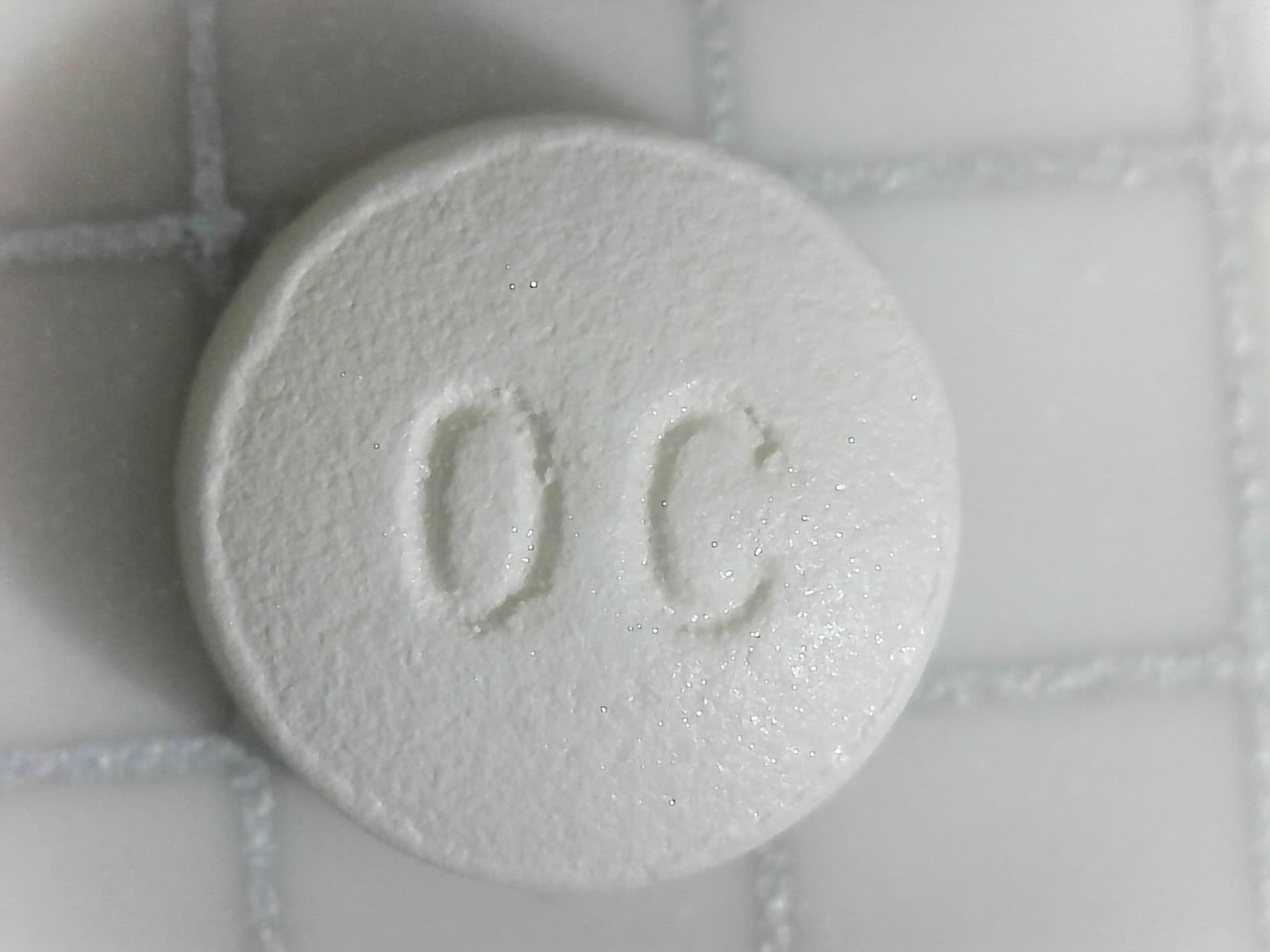
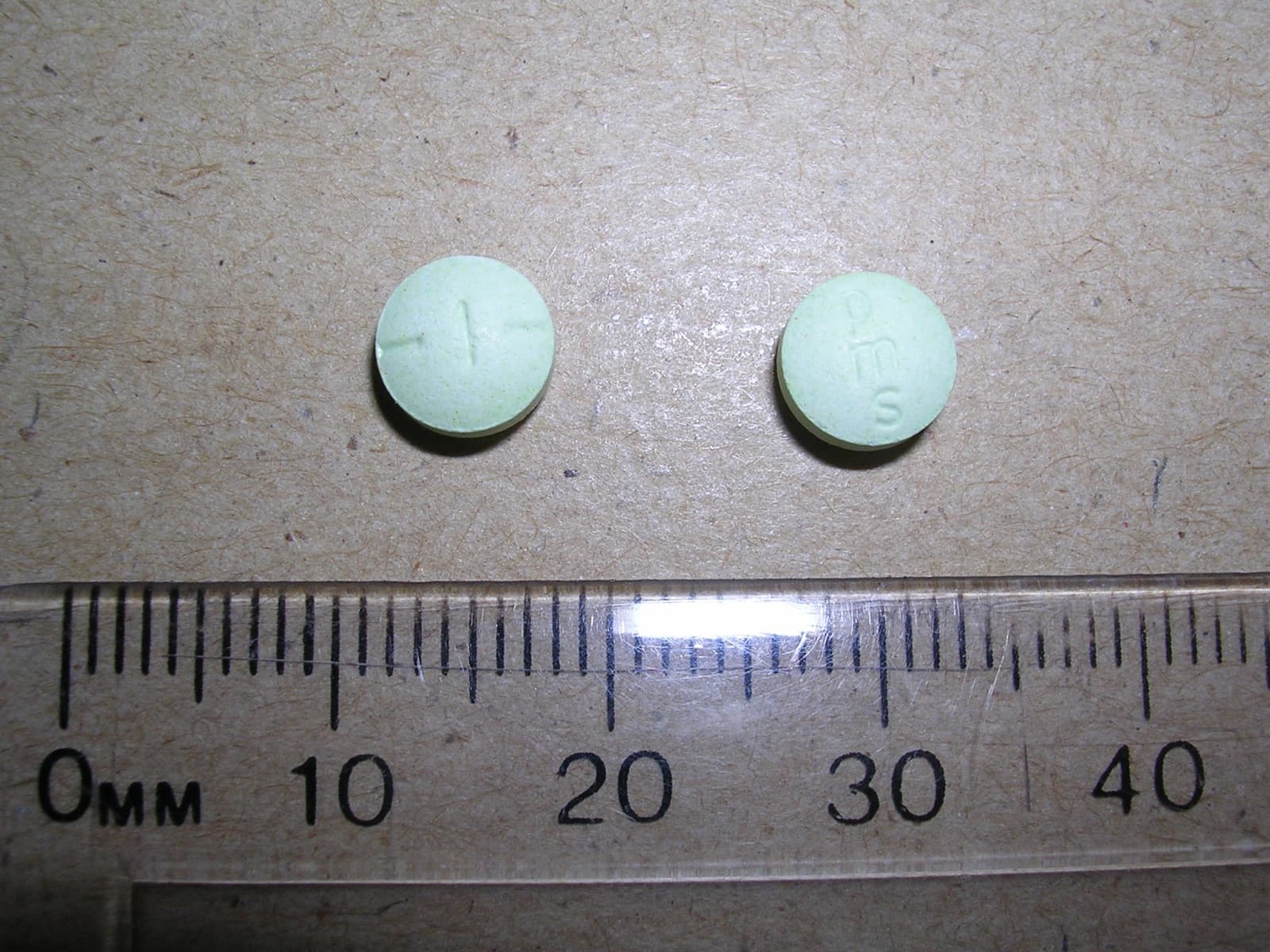
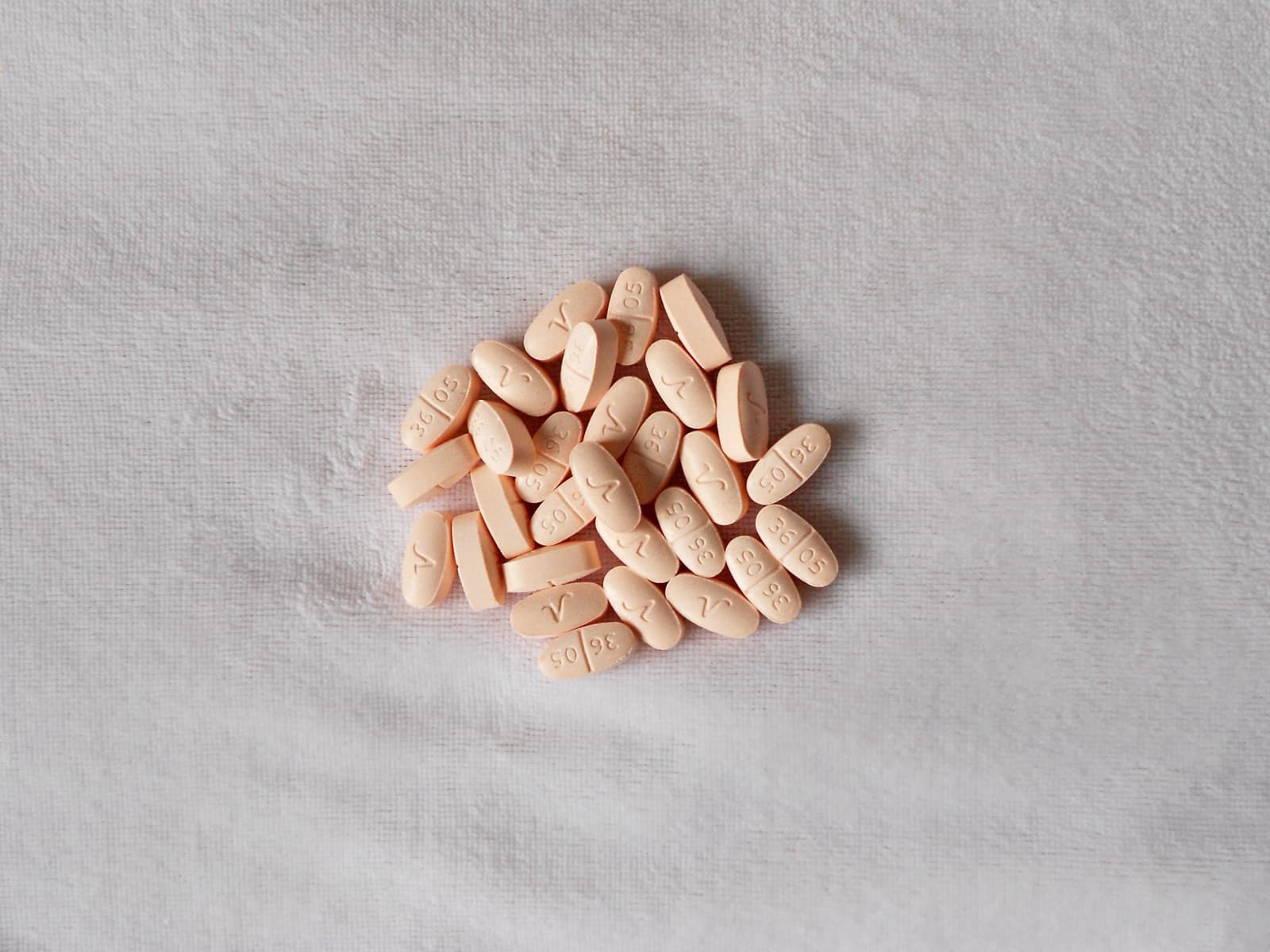
OxyContin. The extended-release form of oxycodone, with its "OC" imprint. Photo: CC0 (public domain), via Wikimedia Commons.
Your pre-ibogaine treatment for prescription opioids protocol
What's included in your program
- Natural ibogaine treatment led by spiritual guides and iboga facilitators, with a licensed medical team on hand
- Preparation and integration support with trained psychotherapists
- Pre-treatment Ayurvedic cleansing protocol (sweat, colonics, nutrition, exercise)
- Post-treatment integration support for months, not days, during the Window of Wonder (WoW)
- Accommodations at our luxury rainforest center for the full program
- BDNF stimulation protocols for faster neural repair
- Nature immersion: rainforest, ocean, and mountain

Suggested Programs
The detox for prescription opioids is shorter than most, usually 5 to 10 days, so the 28-day program covers the full arc for most students: detox, ibogaine treatment, and early integration.
28 days
28-Day Program
Our suggested program for prescription opioids: the 5–10 day detox, the ibogaine treatment, and early integration in a single stay.
Learn more →6, 8 or 12 weeks
Advanced Program
More room for detox and integration when the dependence has been long, the doses high, or for extended-release opioids like OxyContin. Available in 6, 8, or 12-week formats.
Learn more →
Ibogaine vs. conventional treatment
MAT means medication-assisted treatment: staying on a prescribed opioid medication like methadone or buprenorphine to manage dependence.

Prescription opioids were the first wave of the crisis. Through the late 1990s and 2000s, these medications were prescribed widely and often for long stretches, and overdose deaths involving them rose year after year, peaking around 2017. A great many people who are now dependent trace it back to a prescription for genuine pain.
As prescribing tightened, some people moved to heroin and then fentanyl, which is how the later waves began. But prescription opioids never went away, and for the people still dependent on them, the origin story does not change what the receptor now needs. That is the problem ibogaine treatment is aimed at, and the evidence for it is still early.
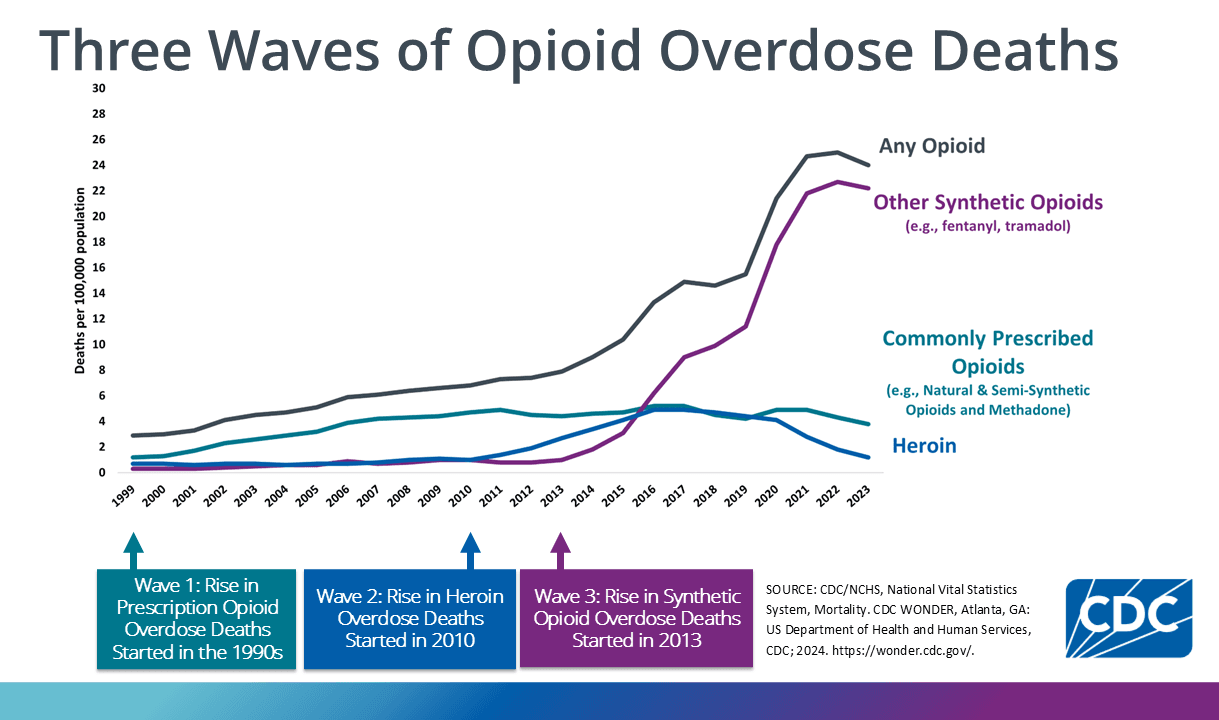
Overdose deaths involving prescription opioids peaked near 17,000 in 2017 before beginning to decline.²
How ibogaine addresses this substance
Ibogaine works across four neurological and psychological dimensions, each specific to how this substance affects the brain.
Receptor Reset
Prescription opioids act on the same mu-opioid receptor as any other opioid, and long use reorganizes it. Ibogaine acts directly on those receptors, and on the NMDA receptors beside them, returning the system toward its pre-addiction baseline rather than managing around it.
Withdrawal Relief
Whether the opioid was immediate or extended-release, withdrawal is a physical process driven by the empty receptor. Ibogaine interrupts that process rather than substituting another opioid. Most students report their acute symptoms ease sharply within the first hours of treatment.
Craving Interruption
The pull back toward the medication runs along worn neural loops, no matter how it started. Ibogaine disrupts the default-mode-network patterns and memory associations behind those loops. What tends to follow is a stretch of clarity people say they have not felt in years.
Root-Cause Clarity
For many people the prescription was treating real pain, physical, emotional, or both, and the dependence grew on top of it. The ibogaine experience tends to surface what was underneath. Seeing it clearly does not resolve the root cause by itself, but it changes how you relate to it in a way a taper never reaches.
Ibogaine aftercare is the best way to ensure long-term success

Citations (3)
[1] Davis AK, Barsuglia JP, Windham-Herman AM, Lynch M, Polanco M (2017). Subjective effectiveness of ibogaine treatment for problematic opioid consumption: Short- and long-term outcomes and current psychological functioning. Journal of Psychedelic Studies, 1(2), 65–73. Read the source →
Survey of 88 people who received ibogaine for opioid use disorder. 80% indicated ibogaine eliminated or drastically reduced withdrawal symptoms; 30% reported never using opioids again; 54% of those abstainers had been abstinent for at least one year.
[2] National Institute on Drug Abuse (NIDA), based on CDC WONDER data (2024). Drug Overdose Death Rates. National Institutes of Health, citing CDC, National Center for Health Statistics, Multiple Cause of Death data. Read the source →
About 73,838 U.S. overdose deaths in 2022 involved synthetic opioids other than methadone (primarily fentanyl) — roughly two-thirds of the approximately 107,900 total drug overdose deaths that year. Also documents the longer trends: heroin-involved deaths peaked at about 15,500 in 2016 and fell to roughly 4,000 by 2023 (about 80% of remaining heroin deaths also involve illicitly manufactured fentanyl), deaths involving prescription opioids rose from about 3,400 in 1999 to a peak near 17,000 in 2017 before declining, and methadone continues to contribute thousands of overdose deaths each year.
[3] Centers for Disease Control and Prevention (CDC) (2025). Understanding the Opioid Overdose Epidemic. U.S. Centers for Disease Control and Prevention, Overdose Prevention. Read the source →
Describes the U.S. opioid overdose epidemic in three waves: prescription opioids (rising since the 1990s), heroin (from 2010), and synthetic opioids such as illicitly manufactured fentanyl (from 2013). Source of the three-waves overdose-death chart.